
Designing for Life at Sea
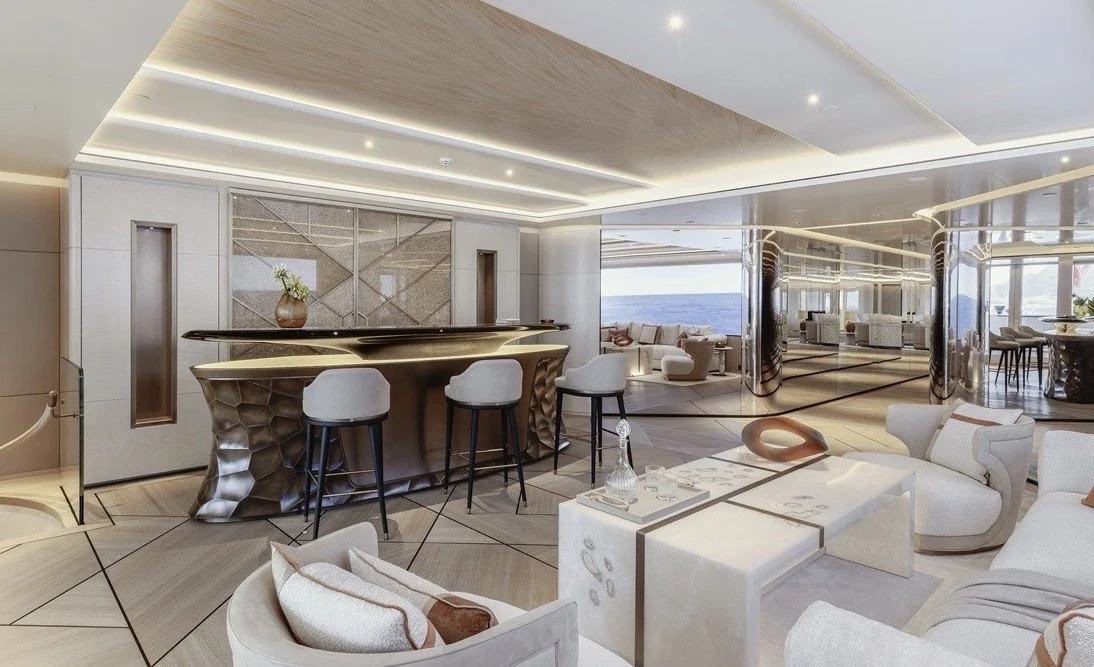
A yacht is one of the most demanding environments a piece of furniture will ever inhabit. Rooms can feel expansive, walled in glass and open to the water, yet every room within them is shaped by limits. Furniture made for this world must hold its own against shifting light, salt air, and the constant, if gentle, movement of the sea. Silverlining has created bespoke furniture for more than eighty yachts worldwide, and the workshop's approach has been shaped, piece by piece, by what that environment demands.
Built to Move With the Sea
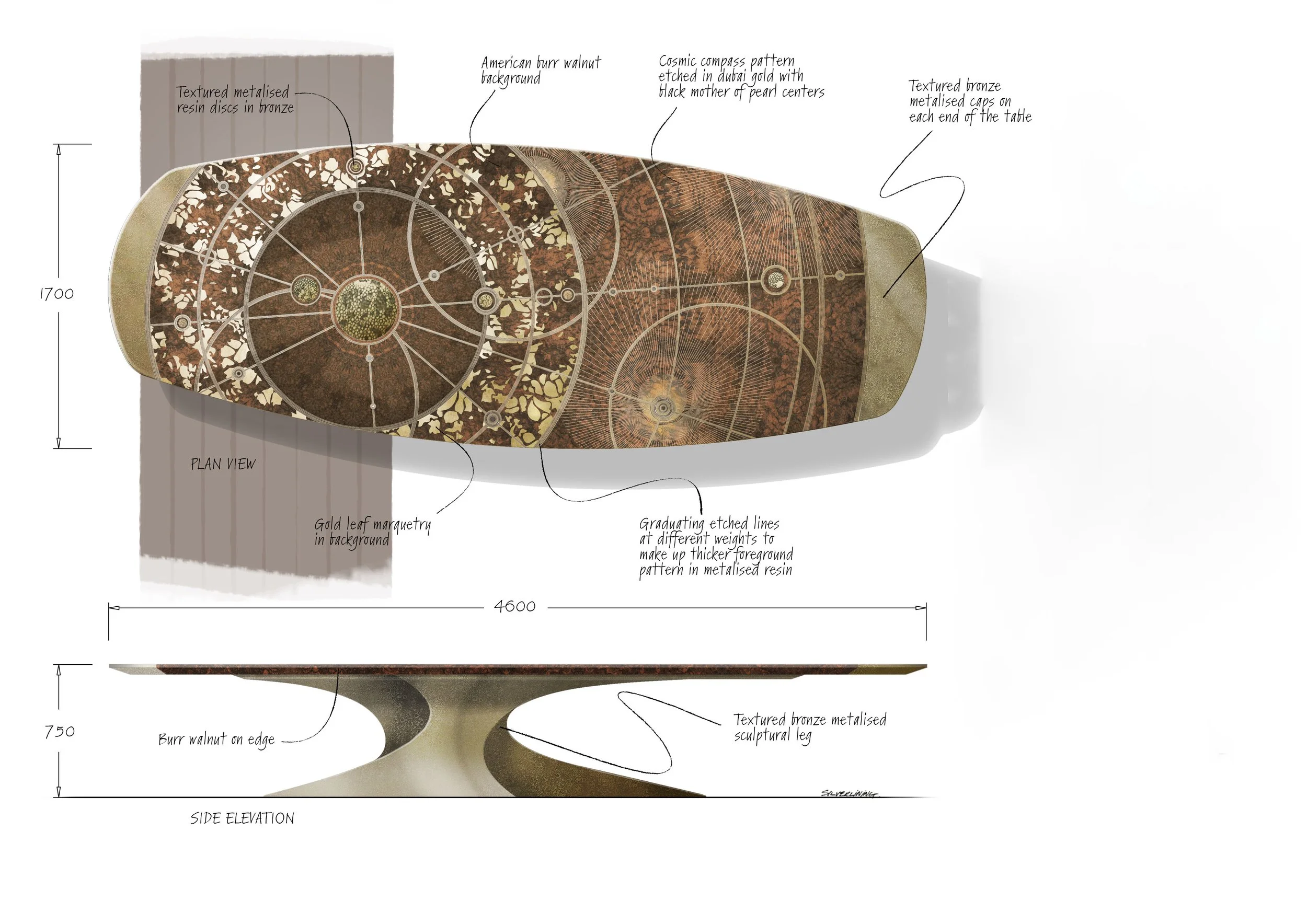
A yacht is never entirely still, so that consideration runs through every decision a piece of furniture must answer to. Doors and drawers are fitted with sea catches so nothing swings open underway, hidden within the body of a piece wherever possible, or given a considered detail of their own where they cannot be. Corners are softened into gentle radiuses, so a guest crossing a room while the vessel shifts beneath them never meets a hard edge, and weight is considered just as carefully, since every kilogram added to a piece affects a yacht's balance and fuel efficiency. Artefact's Cosmic Dining Table reflects all of this, its full weight resolved down through a single sculptural pedestal rather than traditional four-leg construction, its surface an abstract solar system worked in American black burr walnut, metallised resin, mother of pearl and gold leaf, designed, as Silverlining describes it, to embody the concept of order and chaos in the cosmos.
Light That Changes Twice a Day
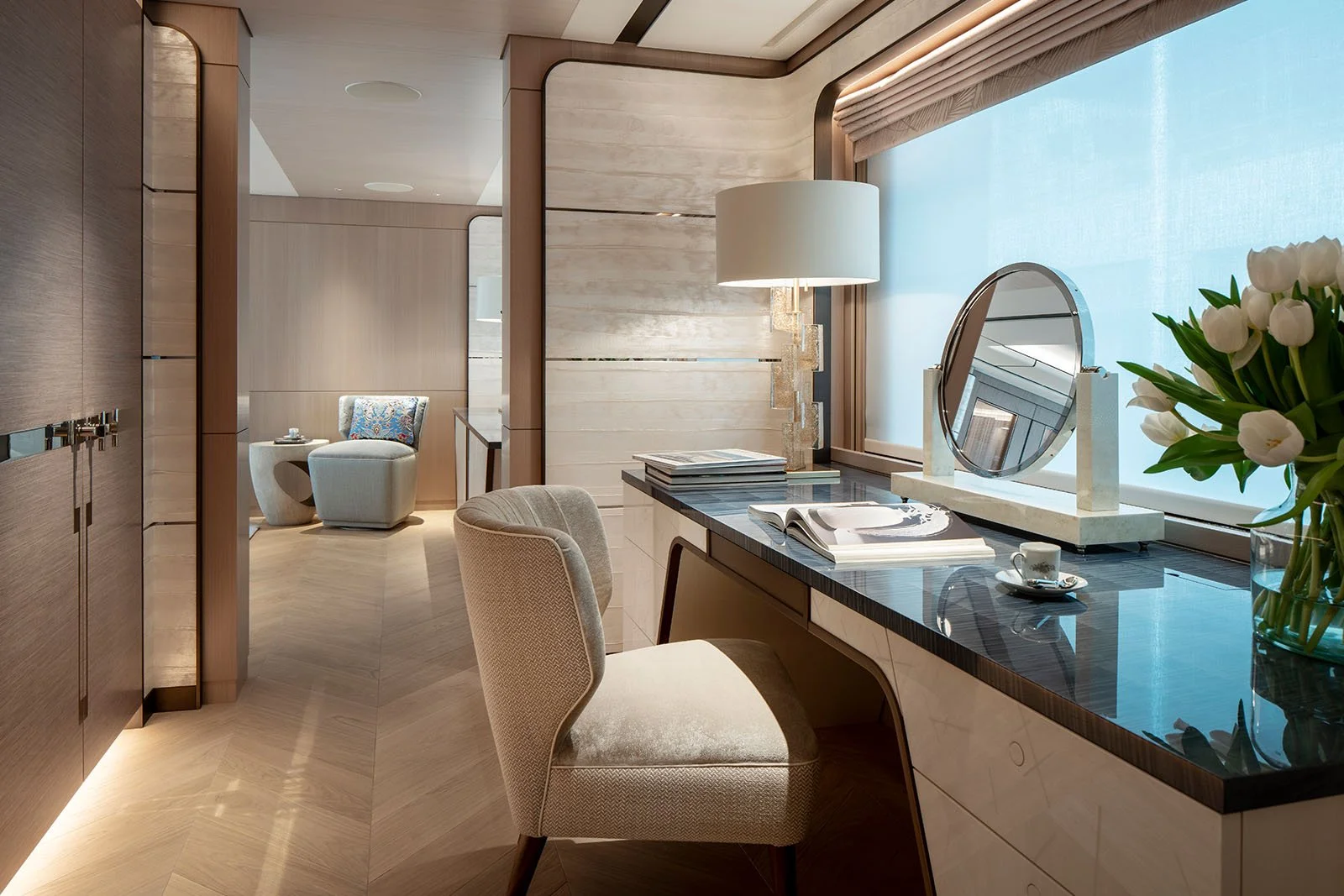
Few interiors shift as dramatically between day and night as a yacht's do. By day, walls of glass flood a room with natural, often direct, sunlight. By night, that gives way to carefully controlled, atmospheric lighting designed to set an entirely different mood. The same finish can read warm under one and cool under the other, a discipline that yacht interiors demand far more of than a typical home, where light tends to change far less throughout the day. A stateroom desk made for a private motor yacht shows this clearly, its surface inspired by the ice formations of Cierva Cove in Antarctica, etched with shard motifs into ice-white koto wood and filled with a shimmering pearlised lacquer, a finish built specifically to catch and hold light rather than simply reflect it.
Designing Within the Space Available
Ceiling heights aboard most yachts sit lower than in a typical home, which quietly reshapes the proportions of everything else in a room. The Cosmic Credenza shows that discipline clearly, almost three metres long yet kept low and horizontal, its Macassar ebony and burr walnut surfaces made in collaboration with Reymond Langton, decorated with a sculptural polished bronze "black hole," mother-of-pearl satellites and micro-etched inlay lines filled with Dubai gold.
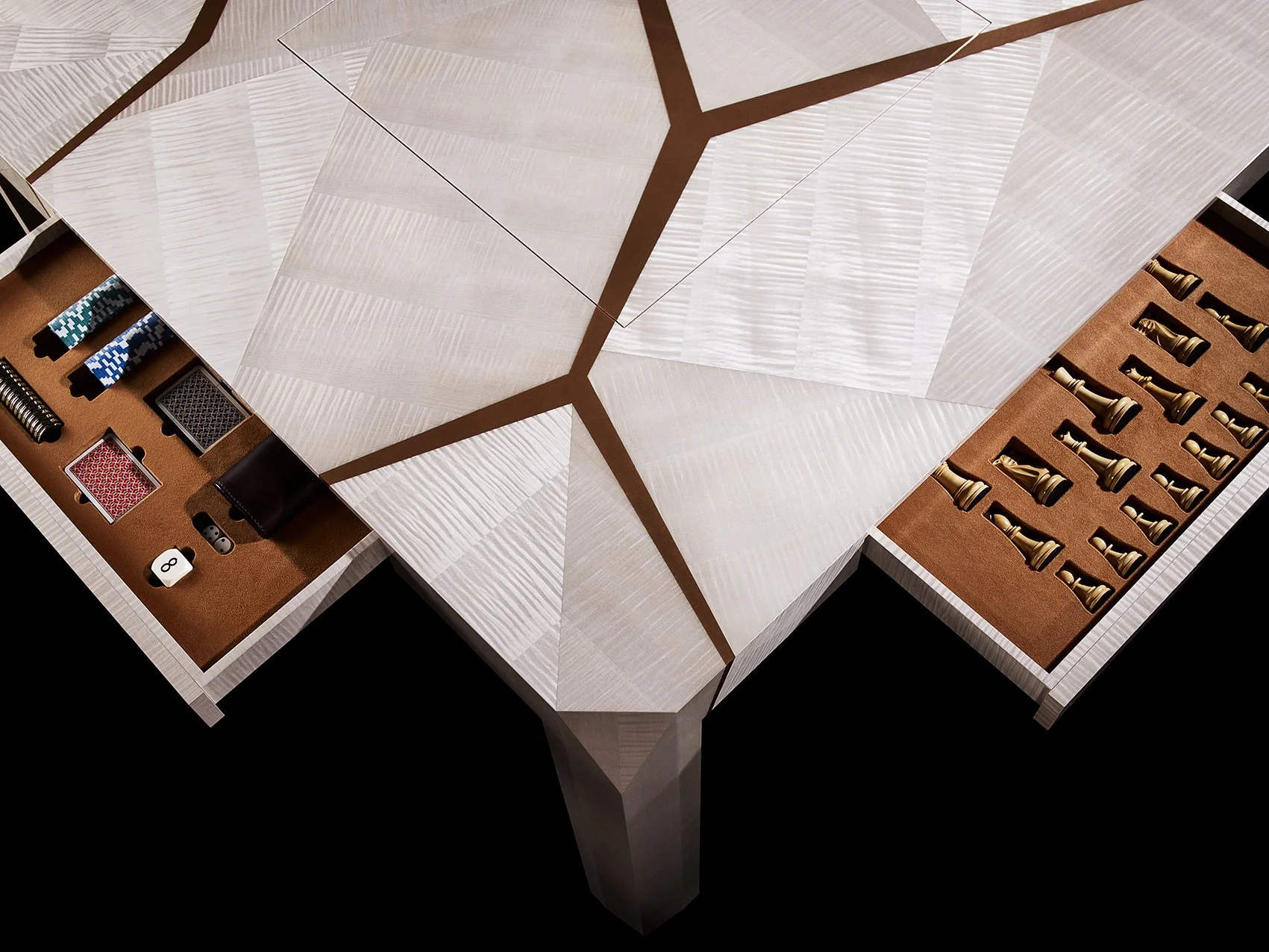
Storage poses a related puzzle. Furniture must look beautiful while holding as much capacity as possible, often through carefully engineered, slim carcase and door builds. The Credenza's own five compartments, each secured behind a touch-release catch with its own sea fastening, show that discipline directly, built so nothing shifts underway no matter the conditions outside. Working closely with a yacht's captain or chief stewardess tends to be the most reliable way to understand exactly what needs to be stored where, and the Fractal Games Table answers a related version of the same challenge, its dyed rippled sycamore and American black walnut surface concealing three separate game boards and four individually shaped, microsuede-lined compartments for chess pieces, counters and cards.
Resilience by Design
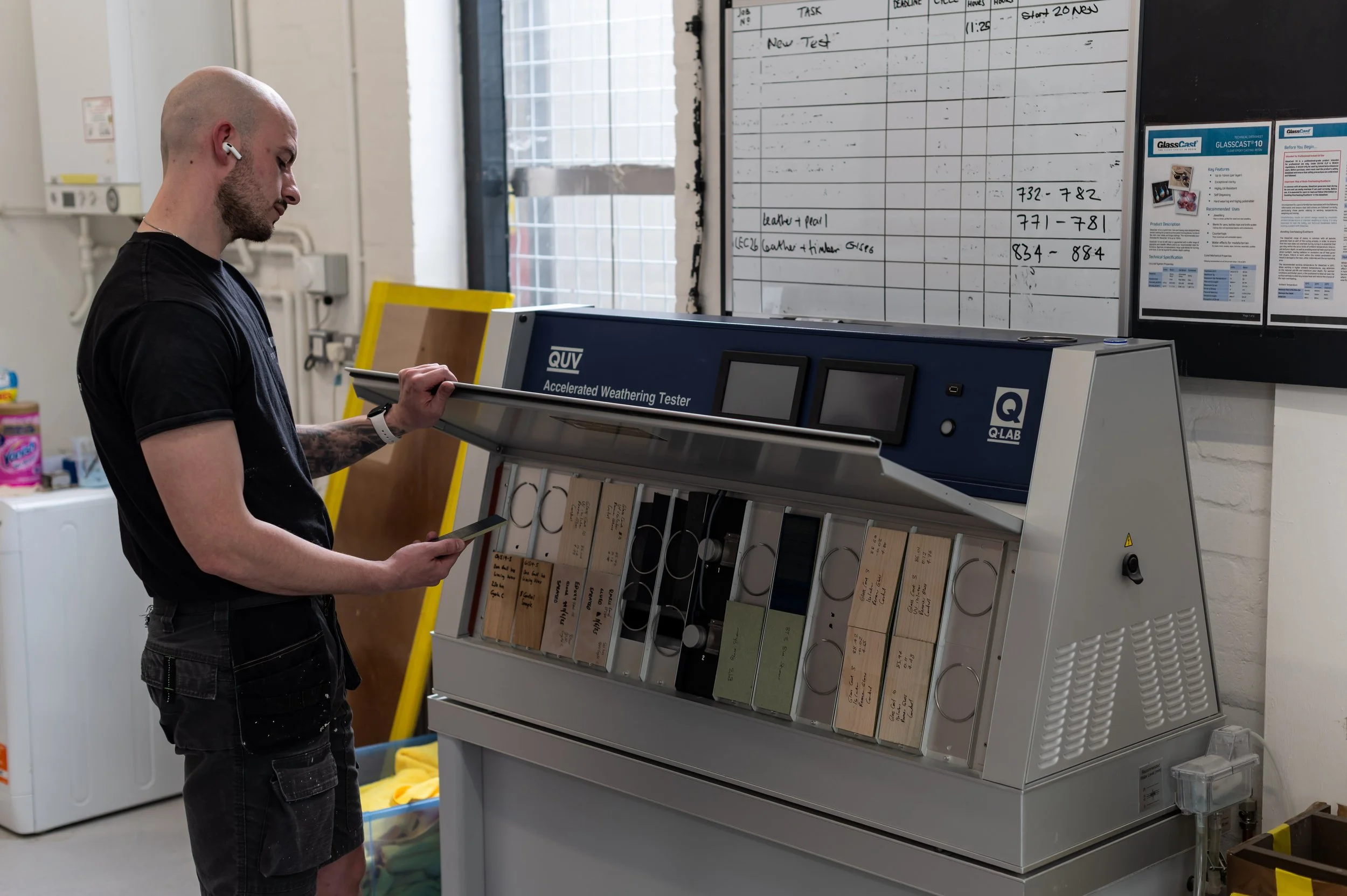
Power, electrics and integrated technology rarely fold neatly into a design, and the brief for what needs to be built in is established as early as possible, since it shapes both the form and proportions of a finished piece. Marine finishes bring their own discipline too. Furniture built for life at sea is generally treated with UV-stable lacquers that resist yellowing under constant sun, moisture and humidity-resistant treatments to prevent timber swelling or warping in salt air, corrosion-resistant finishes on any metal detailing, and protective treatments for leather and upholstery that would otherwise be vulnerable in a consistently humid environment. Bespoke technical solutions can take real time to engineer properly, so the earlier those conversations begin, the more room there is to land on a solution that is genuinely right.
A Build Years in the Making
A superyacht's furniture is rarely a late addition. Silverlining is typically involved two to three years ahead of a yacht's delivery, developing samples that inform the wider design direction and working alongside interior designers from early in the process. Bringing furniture makers in this early tends to make the entire build more efficient, allowing a piece to become properly integral to a space.
Building and fitting out a yacht is one of the largest team efforts in design, bringing together architects, shipyards, project managers and specialist makers, often over several years of close coordination, where clear communication counts for as much as craftsmanship.
The Reward of Working at Sea
For all its constraints, a yacht commission remains one of the most open creative briefs a designer can be given. Owners are often willing to commission something entirely unique, and Silverlining's designers draw inspiration from well beyond furniture itself, from art, architecture and other disciplines altogether, arriving at pieces that could only ever have existed on board.
Subscribe to our newsletter
Sign-up to receive our newsletter and discover our stories, collections and latest innovations.


