
The Surface Behind Everything
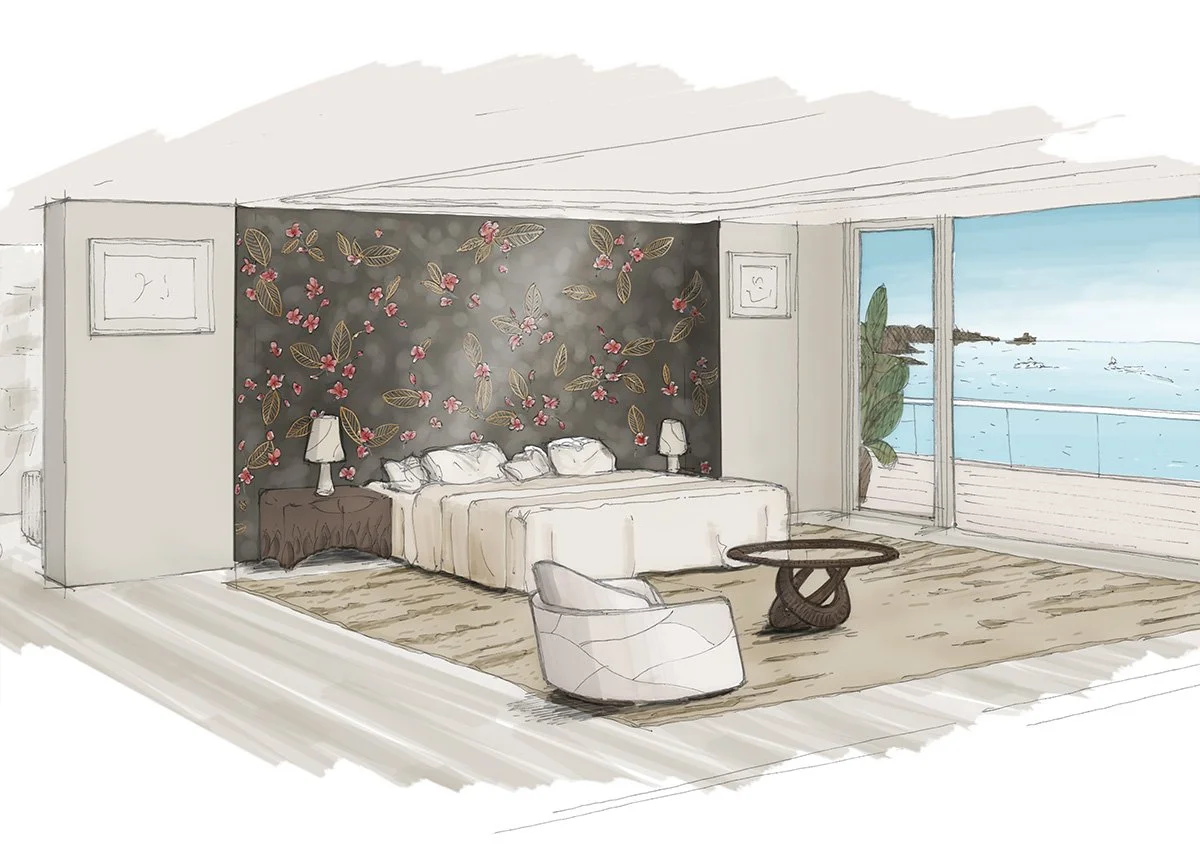
In the most resolved interiors, the wall is not the last decision. It is the first. The commission that every other element is designed in response to. When that approach is taken, the room changes character entirely.
Most design processes move from object to surface. The pieces are chosen, the scheme develops, and the wall is resolved at the end. That sequence is understandable. It is also the reason why so many interiors, however carefully considered, feel as though something is missing.
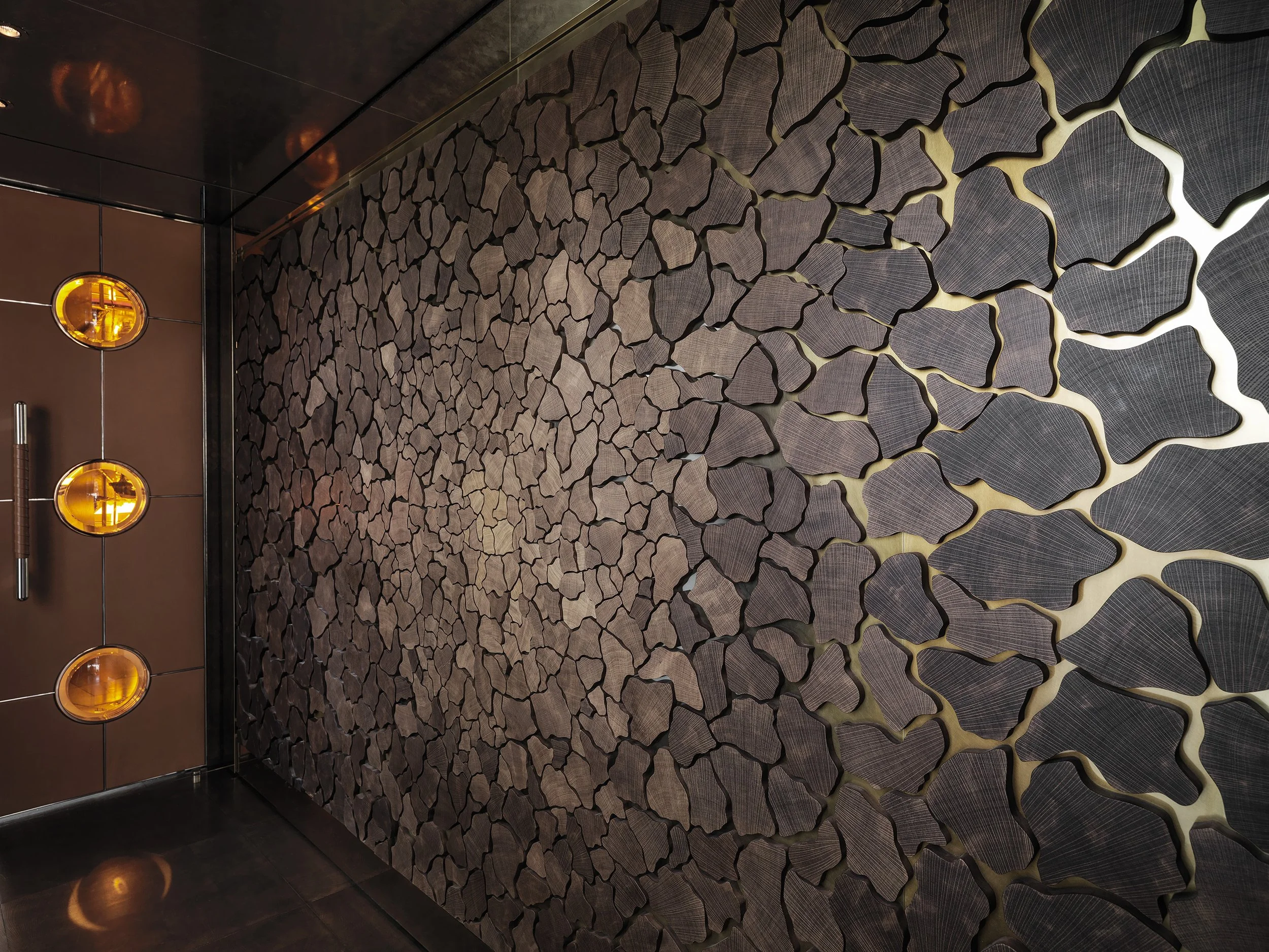
The Commission That Changes Everything
When the wall carries its own material intelligence, its own considered response to the brief, it becomes the anchor point from which everything else is resolved. The furniture, the joinery and the lighting are chosen in relation to it rather than placed alongside it. The result is a room with a coherence that is difficult to achieve any other way.
This is not a new idea. The great interiors of the seventeenth and eighteenth centuries understood it instinctively. Carved limewood panels, hand-painted surfaces, lacquered walls inlaid with mother of pearl, in the most ambitious interiors of those centuries, the wall was the room. Everything else followed. Modernism stripped that relationship back, and for much of the twentieth century the decorated wall retreated. The appetite for it is returning, and with it, the question of what the wall can actually do when it is treated as a commission rather than a canvas.
What It Looks Like in Practice
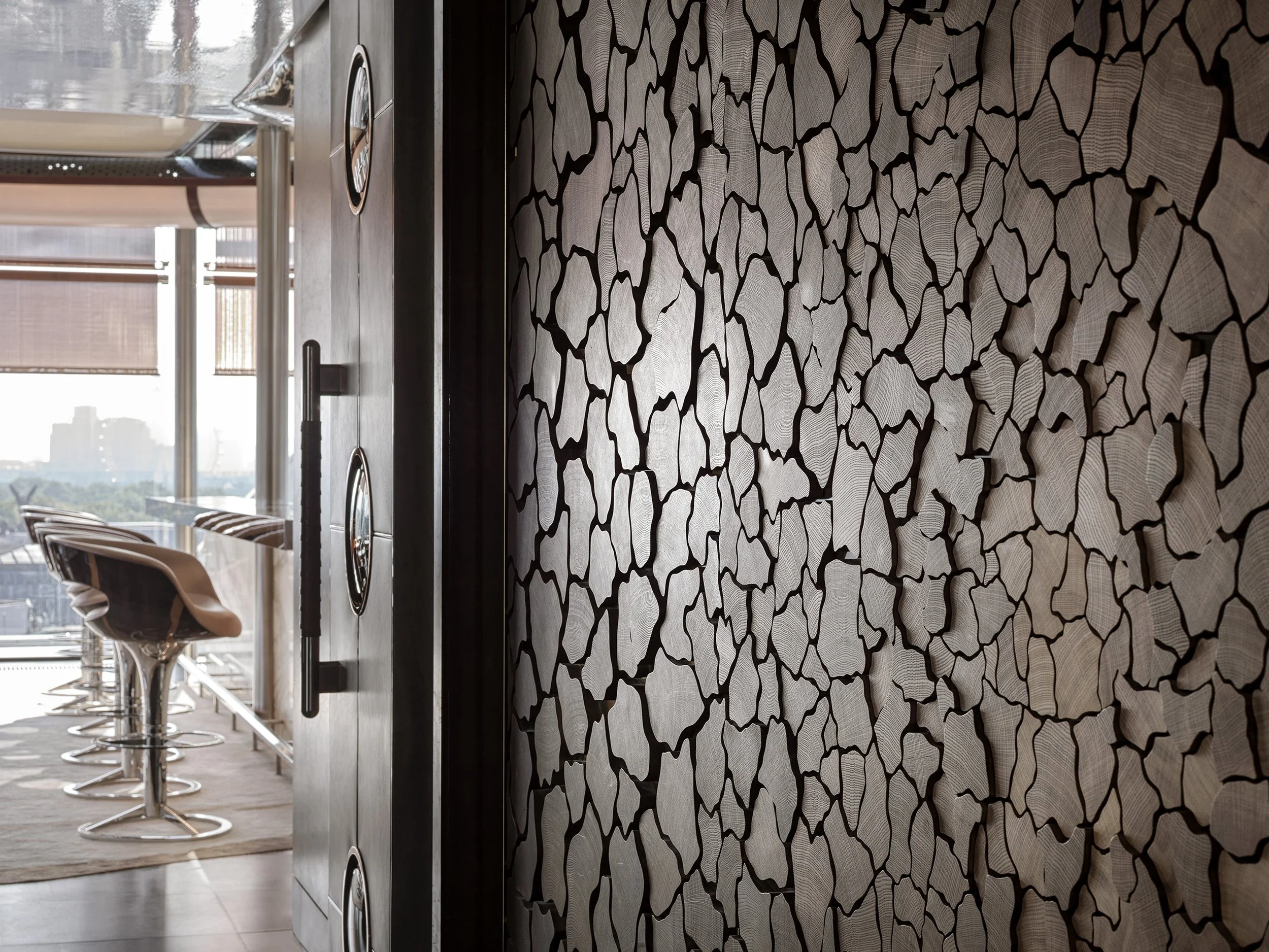
A wall panel commission for a London hotel, created in collaboration with Rémi Tessier, illustrates the point directly. The architecture of the room was resolved within the panel rather than around it. A concealed door sits within the composition as though it could not have been anywhere else. The room was designed from the wall outward.
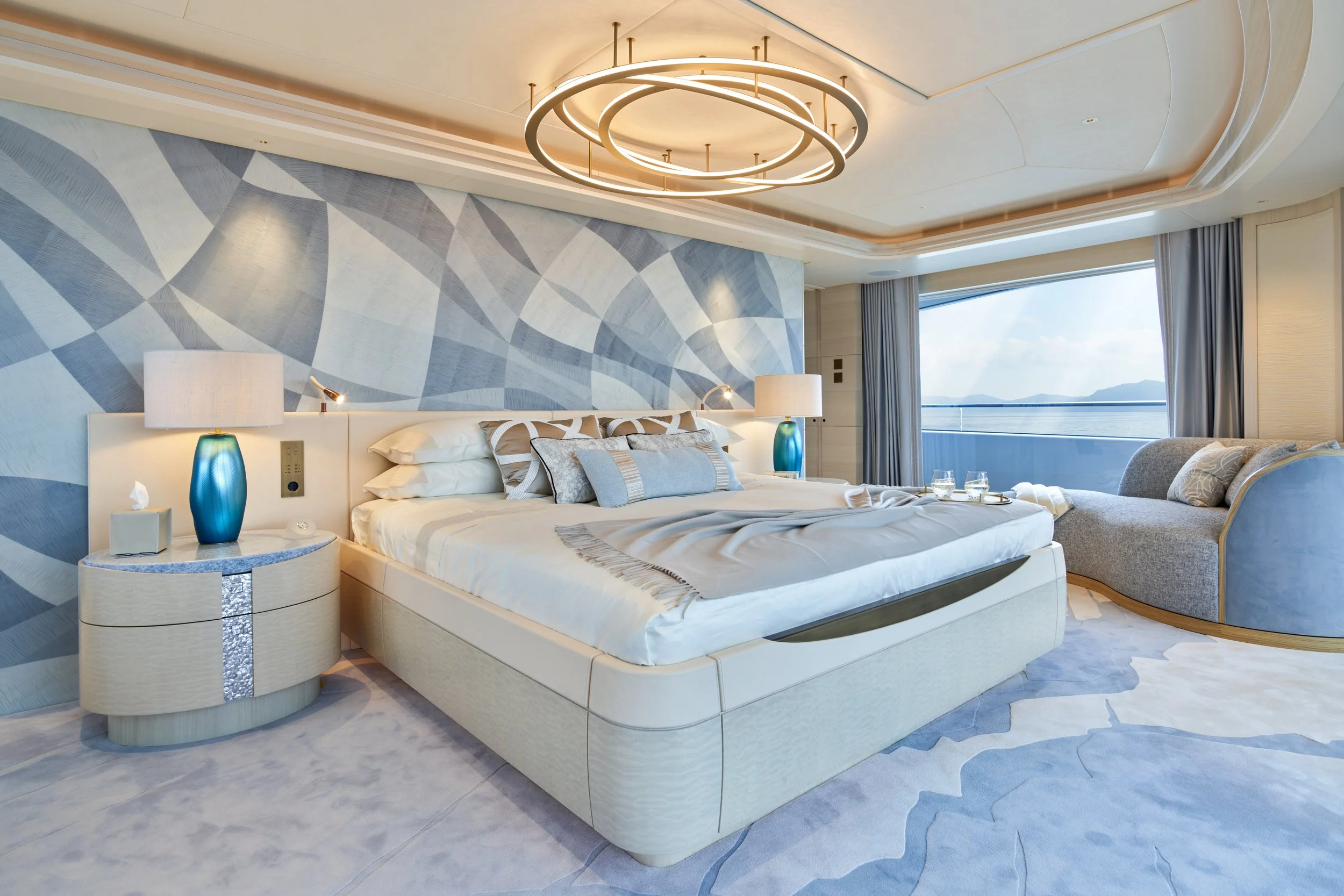
On a private motor yacht, a pair of artwork panels created in collaboration with Winch Design became the starting point from which the entire owner suite was conceived. Two surfaces, two materials, drawn from the world outside the hull. The suite was designed in response to them.
Scale, Material and the Brief
The wall panel commission begins with questions that furniture does not always ask. What is the room asking for? What does the client want to feel when they are in it? What should the eye do when it enters the space?
Scale is the first consideration. A wall panel commission at Silverlining can span an entire wall or occupy a single considered section of it. The scale determines everything else, the material, the pattern, the relationship between the panel and the architecture around it. A large panel requires a different kind of thinking to a smaller one. Both are resolved with the same level of craft, but the design language changes completely.
Material is the second. The wall can carry almost anything. Marquetry in timber veneer. Leather parquetry. Lacquered panels with inlay. Mixed media compositions that combine wood, metal and resin in a single surface. The breadth of what is possible is determined by the brief, not by the material. The brief comes first.
For Designers and Specifiers
The wall is always present. It is in every sightline, every photograph, every conversation that happens in the room. It is the surface that outlasts trends and transcends individual commissions, resolved once with the right level of ambition, it defines the character of a space for as long as the space exists.
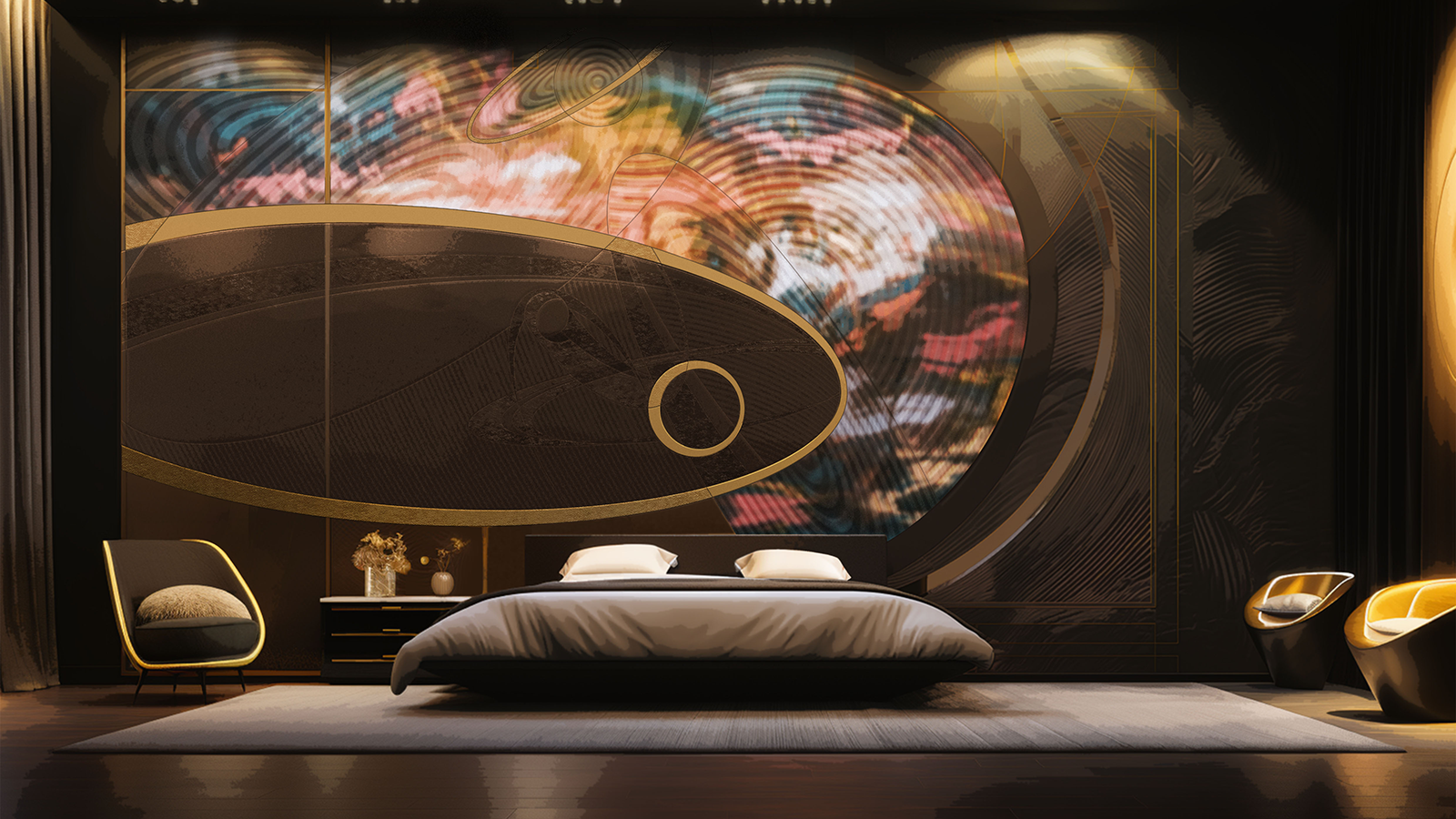
For designers working across residential and superyacht interiors, the wall panel offers something that furniture alone cannot: a surface of a scale that commands a room without occupying its floor. In a superyacht saloon where every square metre of floor space is considered, a wall commission can carry the entire design intent of the space. In a residential interior where the proportions allow, it can become the defining object of a room that everything else is chosen in response to.
The commissions that have stayed with us longest begin with the wall. Not as a constraint or a backdrop, but as an opportunity, the largest and most permanent surface in the room, resolved with the same ambition as everything placed in front of it.
Subscribe to our newsletter
Sign-up to receive our newsletter and discover our stories, collections and latest innovations.


