
Why Materials Matter More Than Ever in Interior Design Today
For a long time, luxury was recognised through branding, a name, a mark, something understood at a glance. Today, that recognition is shifting toward something that was always there, but rarely the focus: the material itself. Where something comes from, how well it is made and how it will age increasingly carry more weight than a familiar name.
At Silverlining, this shift matters because it reflects an instinct that has shaped the workshop's approach to material for decades: what a piece is actually made from carries more weight than how it presents itself on the surface. The sections that follow explore three reasons for this shift: provenance, tactility and longevity.
A History That Cannot Be Imitated
Provenance is, at its simplest, a question of origin, where something has actually come from. For a long time, that question went largely unasked. A material's history sat in the background, rarely examined, rarely part of what made a piece feel worth having.

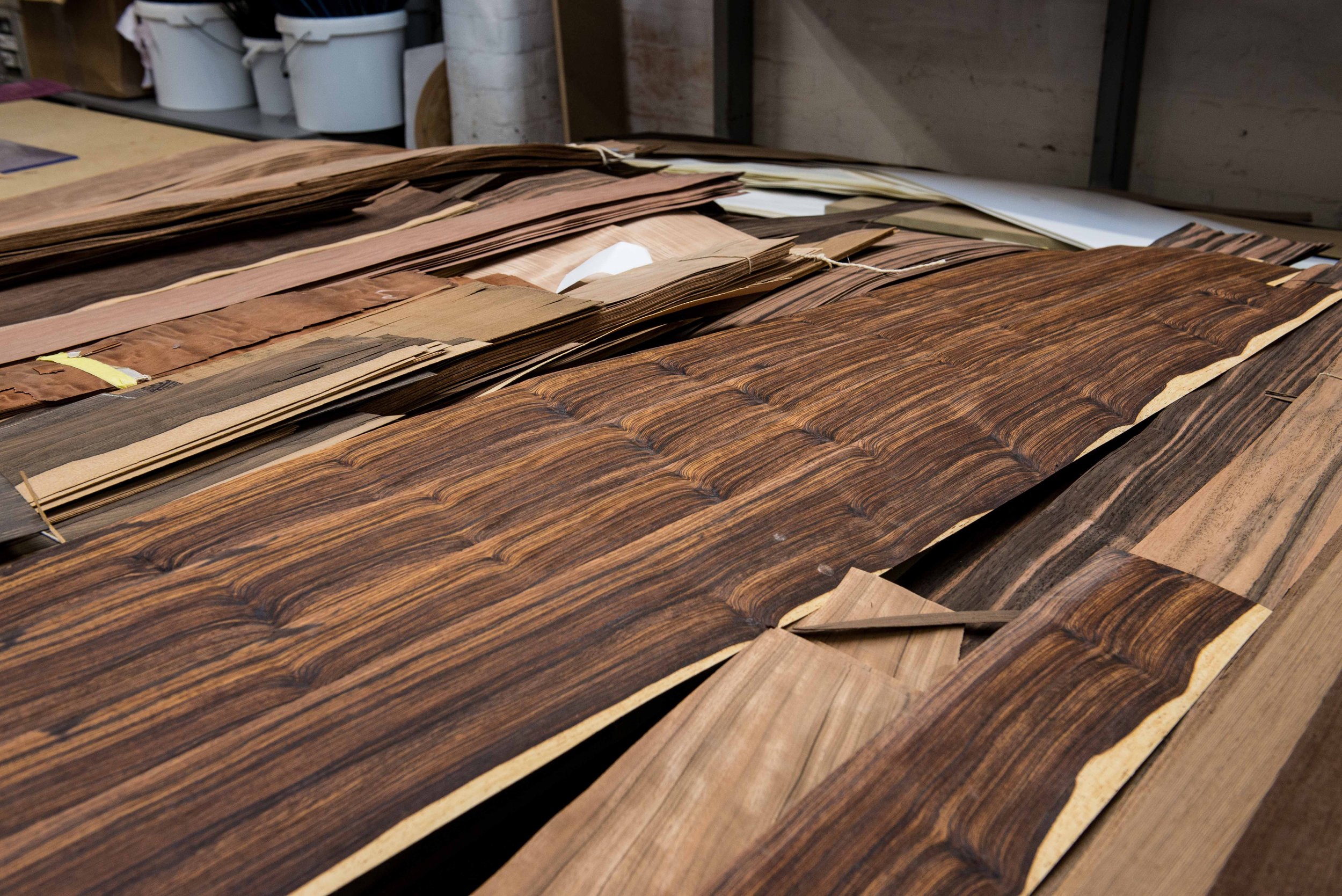
Burr oak from the Land, Sea and Sky table.
That has changed, and the reason is simple. A workshop can develop any level of skill, but skill alone cannot manufacture time. A craftsperson can dye a piece of veneer any colour, or finish it to any standard, but no amount of expertise can give it an actual history it never lived through. That distinction matters. A material with a genuine history offers something an anonymous, newly sourced material never can, a story that belongs to that piece alone, one that cannot be recreated for anyone else. That sense of connection matters more now because there is a growing desire for objects that offer more than beauty alone, pieces whose histories become part of our own.
The Land, Sea and Sky Table makes this case plainly. Its burr oak comes from a single tree planted at Castle Howard in 1773 to mark the birth of the 6th Earl of Carlisle, and felled more than two centuries later in the Great Storm of October 1987. No skill in finishing produces that kind of history. That is exactly the point: this is not simply a well-made table, it is the only table in the world that carries this particular history.
What a Photograph Cannot Tell You
Almost everything today is first encountered as an image, on a phone, in a rendering, in a catalogue, and a finish can be photographed to look flawless regardless of how it was actually made. Touch tells a different story. A screen cannot replicate it, and what a hand actually feels, the weight, the texture, the finish, still says more than any image ever could.
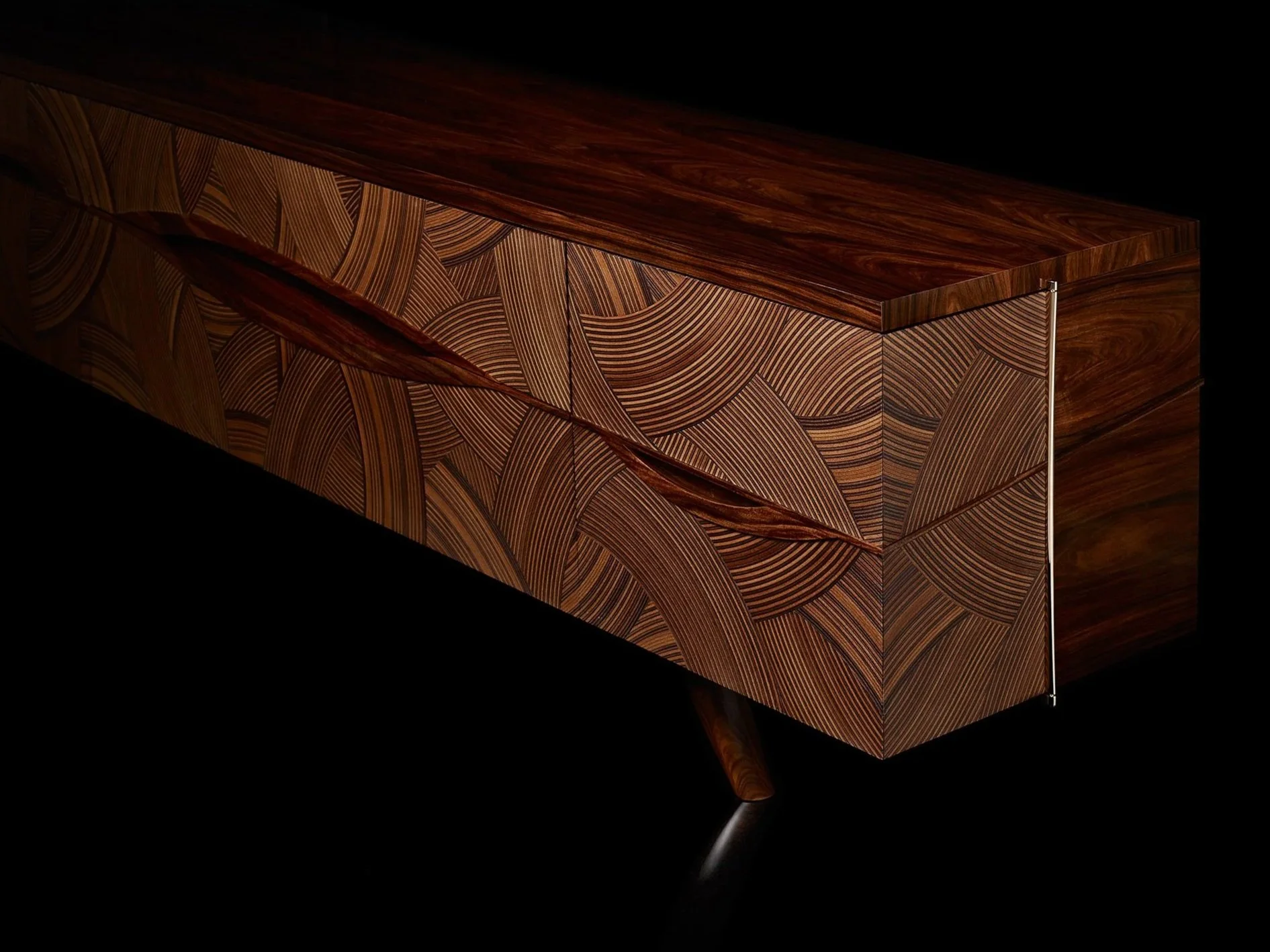
The Antelope Cabinet is a good example of exactly this. From a distance, its surface reads like layered timber. Look closer, and it is in fact built from stack-laminated leather, repurposing waste material that would otherwise have been discarded. In the hand the surface carries the warmth and give of leather rather than the coolness of timber, a discovery no image can prepare you for.
Tactility matters more now because almost everything can be made to look extraordinary through a screen, whether it genuinely is or not. Touch remains one of the only tests that cannot be staged. For someone commissioning a piece they will live with for decades, that honesty carries real weight, the confidence of knowing a piece is exactly what it claims to be, confirmed by their own hand rather than an image.
What Outlasts the Trend
Trends and finishes move faster than they used to, which makes longevity its own quiet marker of quality. A material chosen for how it photographs on launch day, and a material chosen for how it will look in eighty years, are two entirely different decisions, and only one of them holds up once the initial moment has passed.
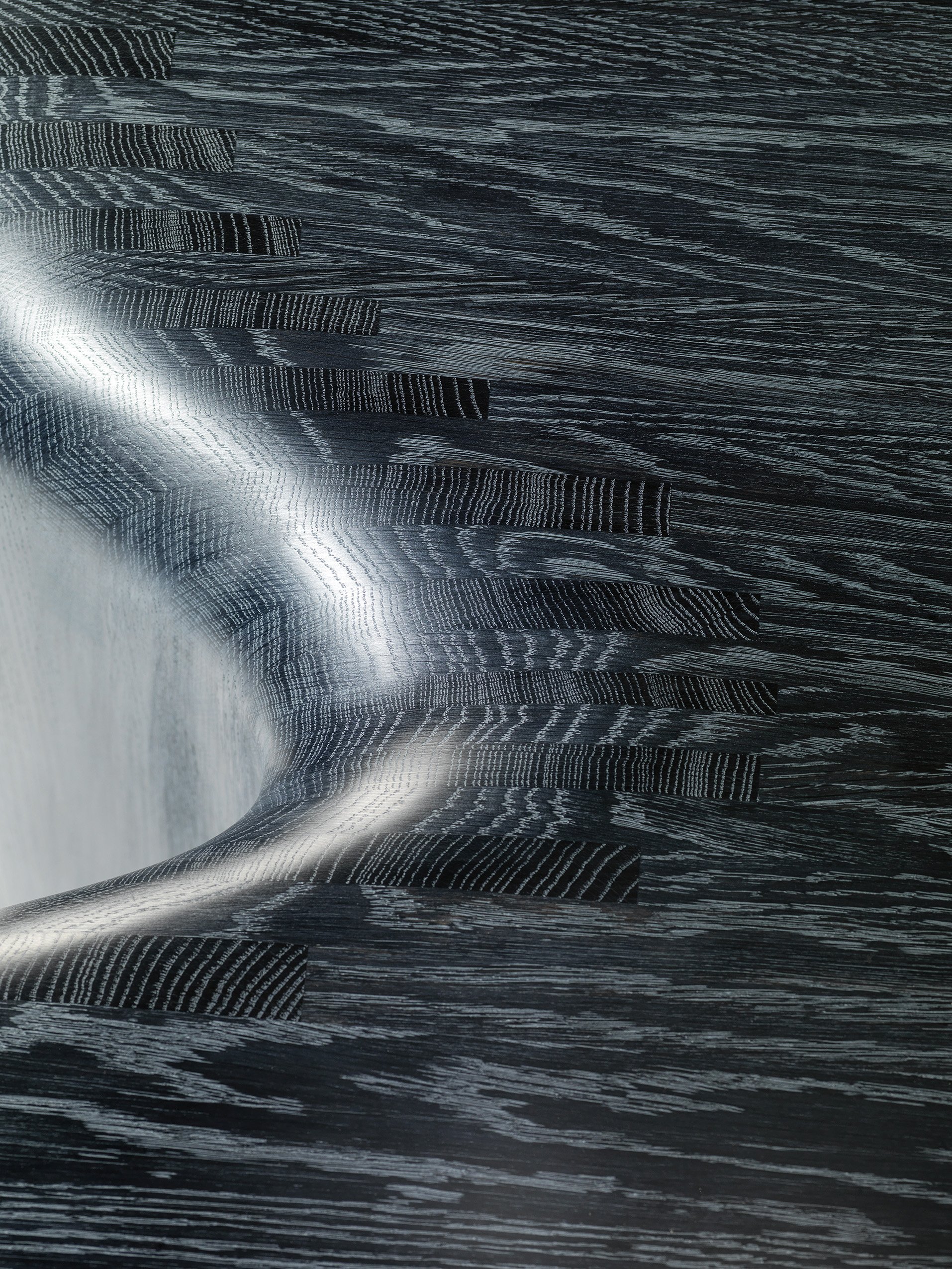
Gall ink illustrates this well. Made from the natural tannin in oak galls reacting with iron salts, it has been prized for its permanence since Roman times, it is the same ink used to write the Magna Carta in 1215, and it remains as lightfast today as it was eight centuries ago. Choosing it is not a stylistic decision, it reflects how a piece is meant to exist decades from now, not simply how it appears the day it is delivered.
Longevity matters more now because a bespoke commission is rarely a short-term decision. A piece built for one moment, however striking, eventually dates. A piece built to age honestly becomes something else entirely, a fixture of a home passed down rather than replaced, its value growing with time rather than fading with the next trend.
Why This Matters Now
None of this is new to craftsmanship. What has changed is the attention being paid to it. A recent behavioural study of how the most discerning collectors and clients make decisions found exactly this shift underway, identifying the Quiet Connoisseur among its key archetypes, a preference for craftsmanship, expertise and understated quality over visible status. Among this group, discretion is increasingly replacing status signalling, and true refinement is no longer about excess. It is the quiet confidence that comes from owning something genuinely well made, whether or not anyone else recognises it.
The Quiet Connoisseur does not need a piece to announce itself. They need to know it is exactly what it claims to be.
That is the work Silverlining has always done. It simply matters more now than it used to.
Subscribe to our newsletter
Sign-up to receive our newsletter and discover our stories, collections and latest innovations.


