
Games Tables: Why They Never go Out of Fashion
Some objects quietly disappear from interiors as tastes evolve. Game tables never do.
Across centuries, styles, and technologies, they continue to reappear in contemporary homes. While many furniture typologies are subject to cycles of fashion, the game table occupies a curious position. It is both deeply historical and consistently contemporary, tied not to style but to ritual, gathering, and craftsmanship. Its persistence is not accidental.
They Precede The Modern Interior
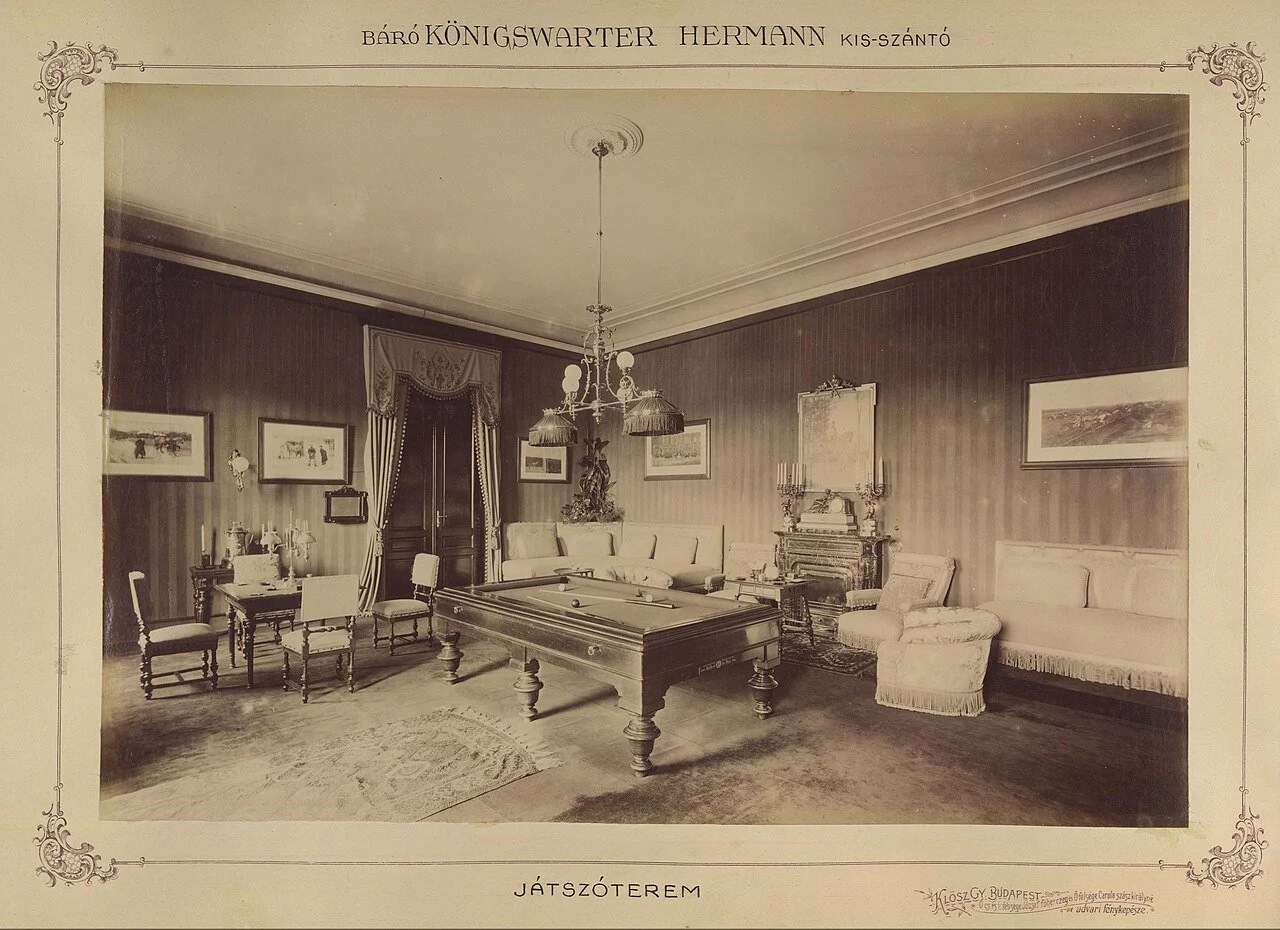
Billiards room of Baron Herman Königswarter’s manor, Kisszántó (1895–1899)
Long before the modern living room emerged, game tables were already shaping interiors.
Billiards moved indoors in the late fifteenth century, with one of the earliest recorded tables commissioned by Louis XI of France in 1469. These early examples were far from decorative novelties. They demanded precision construction, structural stability, and highly specialised making techniques. At a time when most domestic furniture relied on traditional joinery, billiard tables required an unusual degree of technical accuracy.
They were, in effect, engineered objects expressed through the language of furniture.
Ownership quickly became associated with leisure, refinement, and privilege, themes that continue to surround the category today.
Where Craftmanship Meets Performance
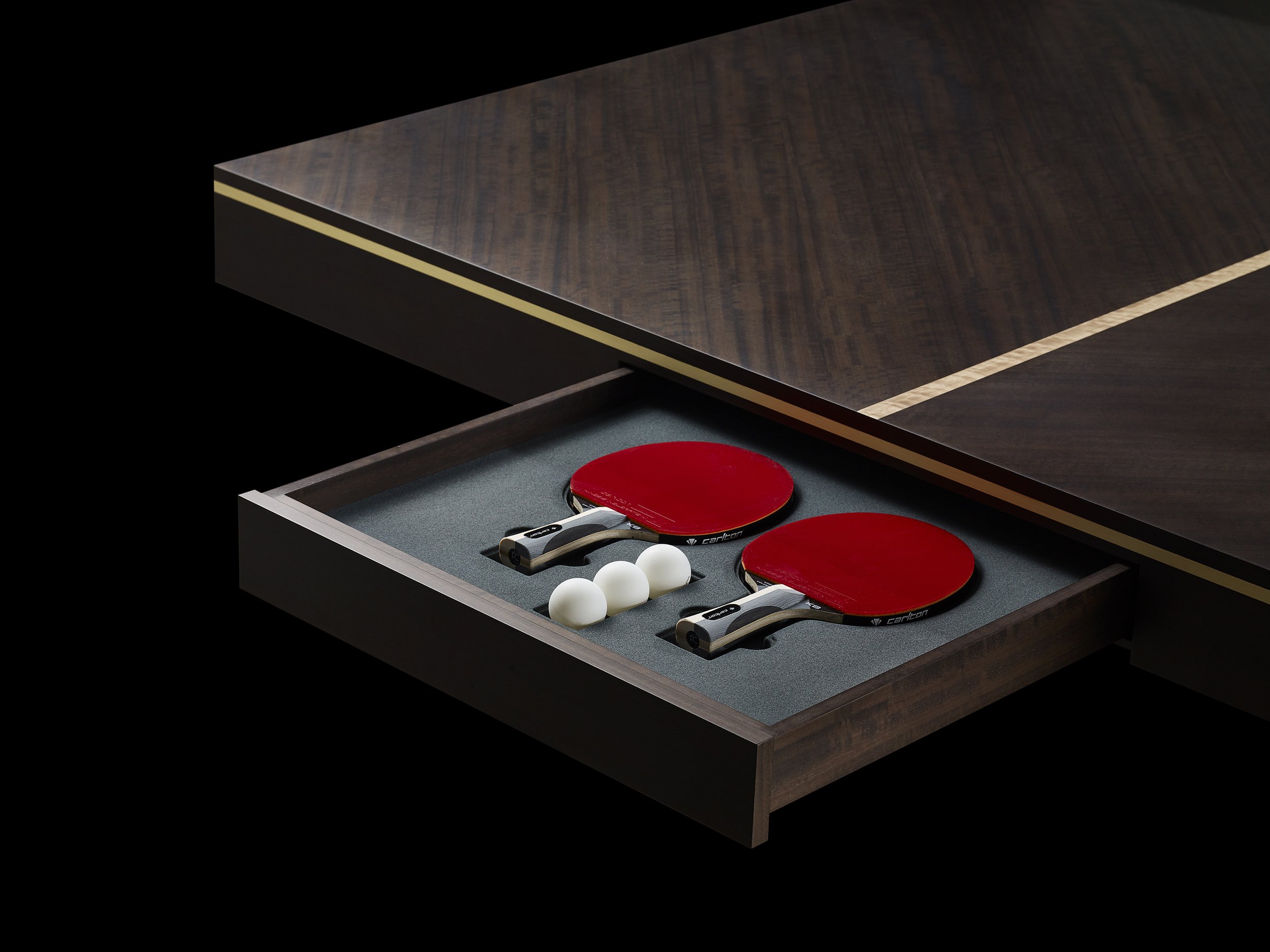
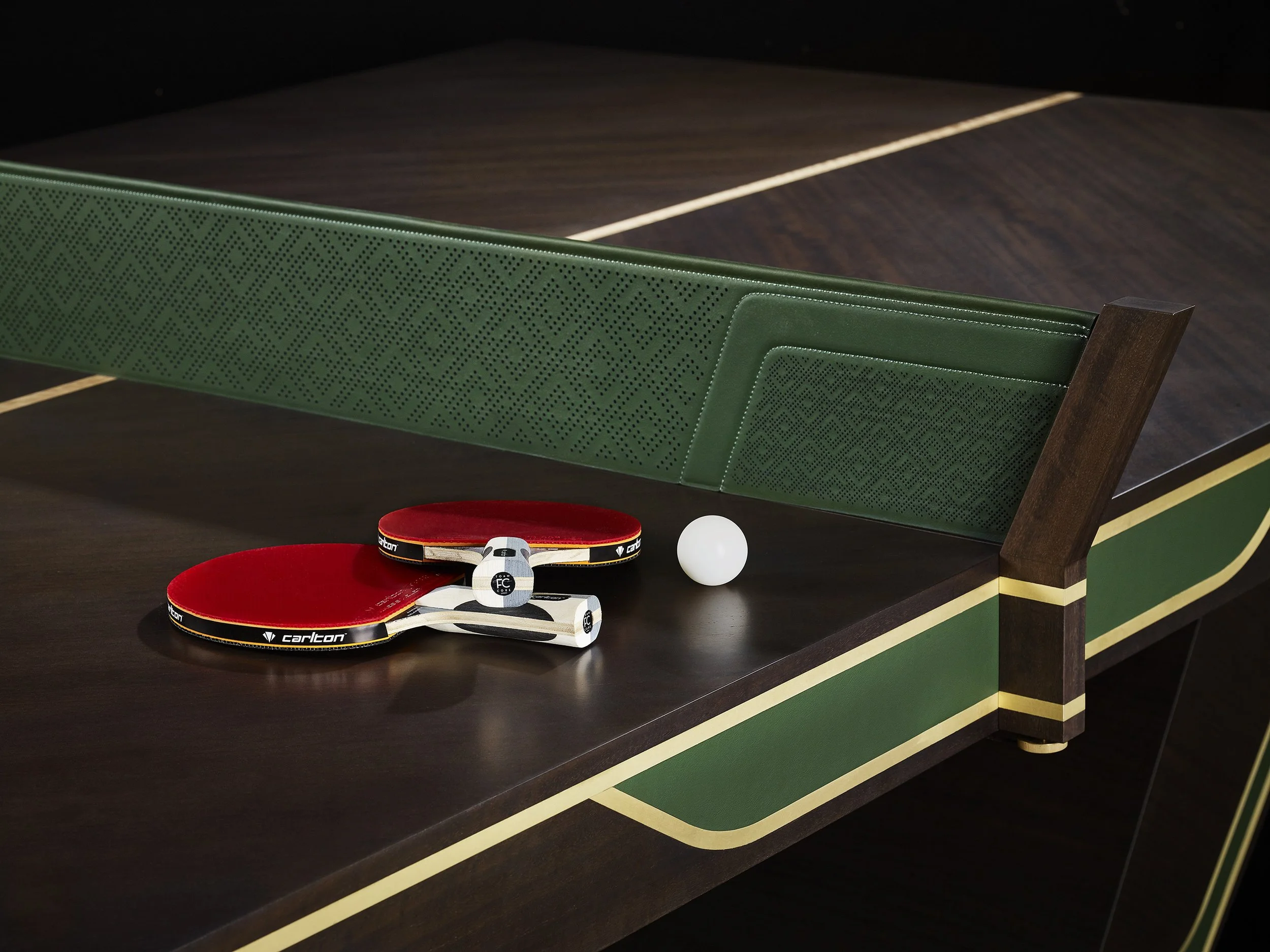
Game tables occupy a rare intersection between craftsmanship and physics.
Unlike most furniture, their performance is measurable. Surface flatness, rebound response, material tension, and structural behaviour directly influence use. Even familiar visual conventions often emerged from functional requirements. The green billiard cloth, for instance, endured because it proved visually effective across lighting conditions and prolonged play.
Precision has always shaped appearance.
For workshops, this has historically placed game tables among the most demanding commissions. Achieving visual refinement while preserving strict tolerances requires a level of discipline more commonly associated with instrument making than traditional cabinetry.
Ensuring Symbols of Leisure and Space
Game tables have long functioned as subtle indicators of lifestyle.
They require space.
They imply leisure.
They suggest permanence.
Historically, they appeared in aristocratic residences and private clubs before gradually finding their way into domestic interiors of many kinds. Their presence communicated something beyond recreation. They reflected a cultural valuation of time, sociability, and material longevity.
That symbolic dimension has proven remarkably durable.
Perpetual Reinvention
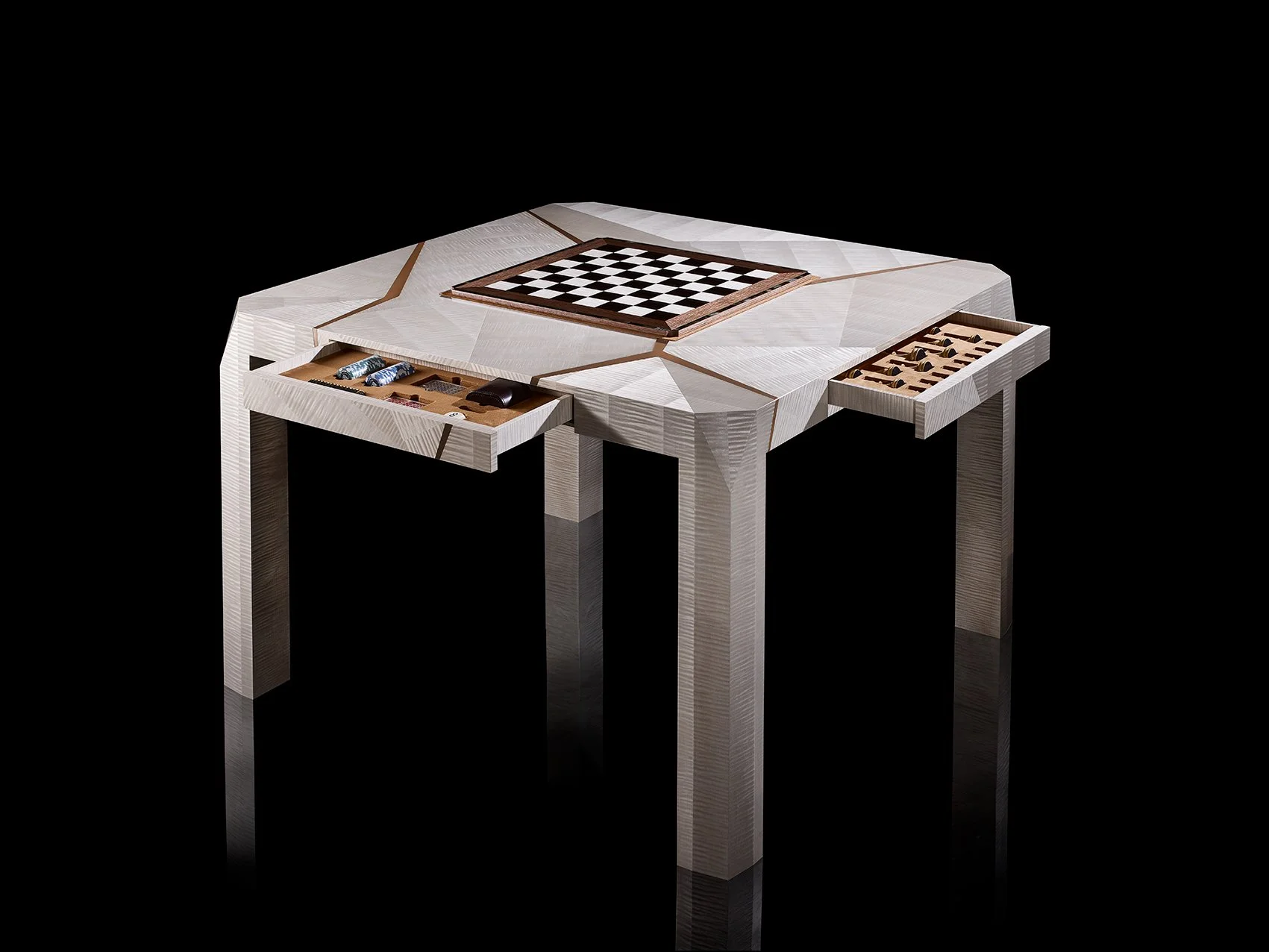
Unlike many historical furniture types, game tables have never remained confined to a single aesthetic language.
They are repeatedly reinterpreted whenever attitudes toward leisure and domestic space evolve. From the richly detailed billiard tables of the nineteenth century to the pared back expressions of the twentieth, designers have consistently revisited the category.
This pattern is revealing. Game tables invite reinvention because they sit at an unusual intersection. They are functional yet performative, technical yet social. Few objects combine engineering precision, physical interaction, and visual presence so directly.
For this reason, they tend to resurface during moments when interiors themselves are being reconsidered.

Play as a Design Theme
Renewed interest in game tables often mirrors broader cultural shifts.
Twentieth century design increasingly embraced informality and flexibility within the home. Leisure was no longer confined to dedicated rooms but integrated into living spaces. Objects associated with play began to acquire greater aesthetic consideration.
More recently, the rise of experiential living, multifunctional interiors, and hospitality influenced residences has reinforced this trajectory. Game tables embody participation rather than passive use, aligning naturally with contemporary spatial thinking.
Why the Category Persists
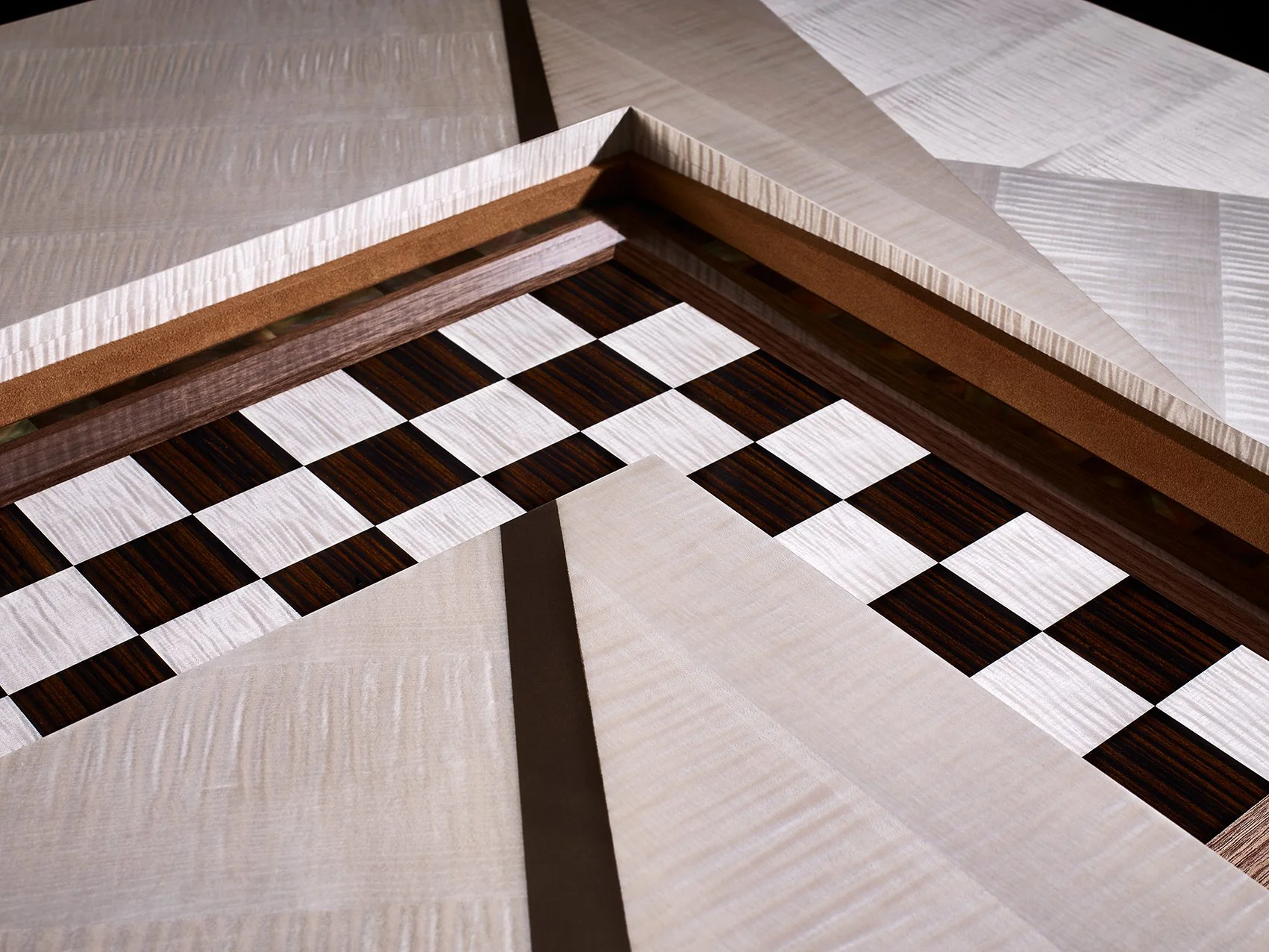
Very few furniture types maintain relevance across radically different design eras.
Game tables do so because their appeal is not stylistic but behavioural. They respond to enduring human impulses: gathering, interaction, competition, and ritual. While materials and forms evolve, the essential role of the object remains strikingly stable.
They are not merely preserved through history.
They are continuously rediscovered by design.
Game tables have never belonged exclusively to a single era or movement. Their continued presence reflects a deeper compatibility with domestic environments and with the social dynamics that define them.
And that, more than fashion, explains why they never truly disappear.
The enduring appeal of game tables offers designers a unique opportunity. In an era when clients increasingly seek furniture that fosters interaction rather than passive use, game tables provide a natural focal point for social spaces. They justify their presence through both utility and craft, combining performance requirements with aesthetic ambition in ways few other furniture types demand.
For workshops, game tables remain among the most revealing commissions. They expose what a maker truly understands about precision, materials, and the relationship between engineering and visual refinement. That is why, despite changing tastes and technologies, they continue to appear in the most carefully considered interiors.
Subscribe to our newsletter
Sign-up to receive our newsletter and discover our stories, collections and latest innovations.


