
This is the second of two articles looking back at the interiors that have shaped the years since Silverlining was founded. The first covered 1985 to 2005, defined by restraint challenging excess, and intimacy challenging spectacle. This piece continues the story, covering 2005 to 2025, the twenty years that have shaped interior design into what it is today.
Where the first two decades were largely a reaction against a single, shared idea of luxury, the years since have argued for something more specific in its place. Five different answers, one shared conviction: luxury should never be reduced to one repeatable look.
The salvagers
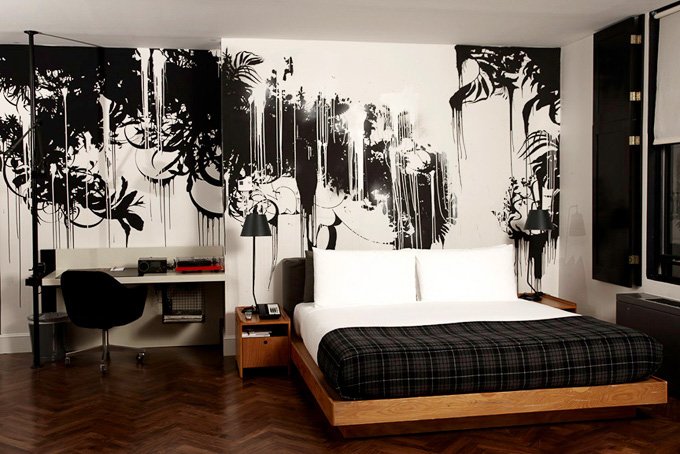
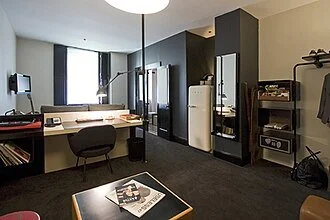
At the Ace Hotel New York, completed in 2009, Roman and Williams lifted an entire room, oak panelling and all, from a Park Avenue apartment library and installed it inside the lobby like a stage set, bracing left visible rather than disguised. The Standard High Line, completed the same year, worked from the same conviction, worn leather and salvaged wood standing in for anything factory-fresh. History, used this way, becomes something no factory can replicate on demand.
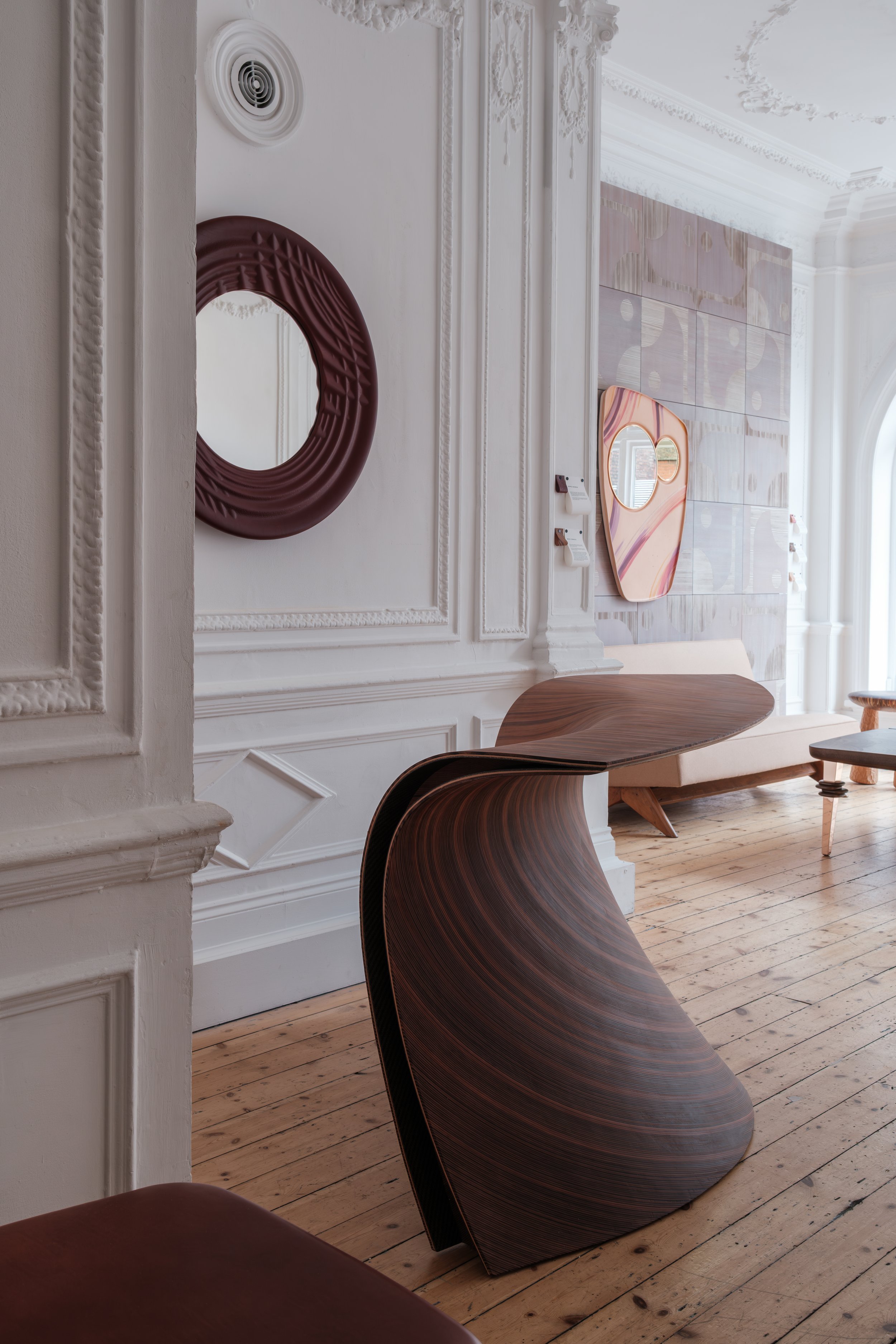
The Wave Console takes that principle to its logical end. Its surface is formed from over 1,200 individual leather cordings, none sourced specifically for the piece, all salvaged from waste offcuts that would otherwise have been discarded. Applied by hand, strip by strip, it turns material with nowhere left to go into the entire visible surface of the piece.
The quiet hosts
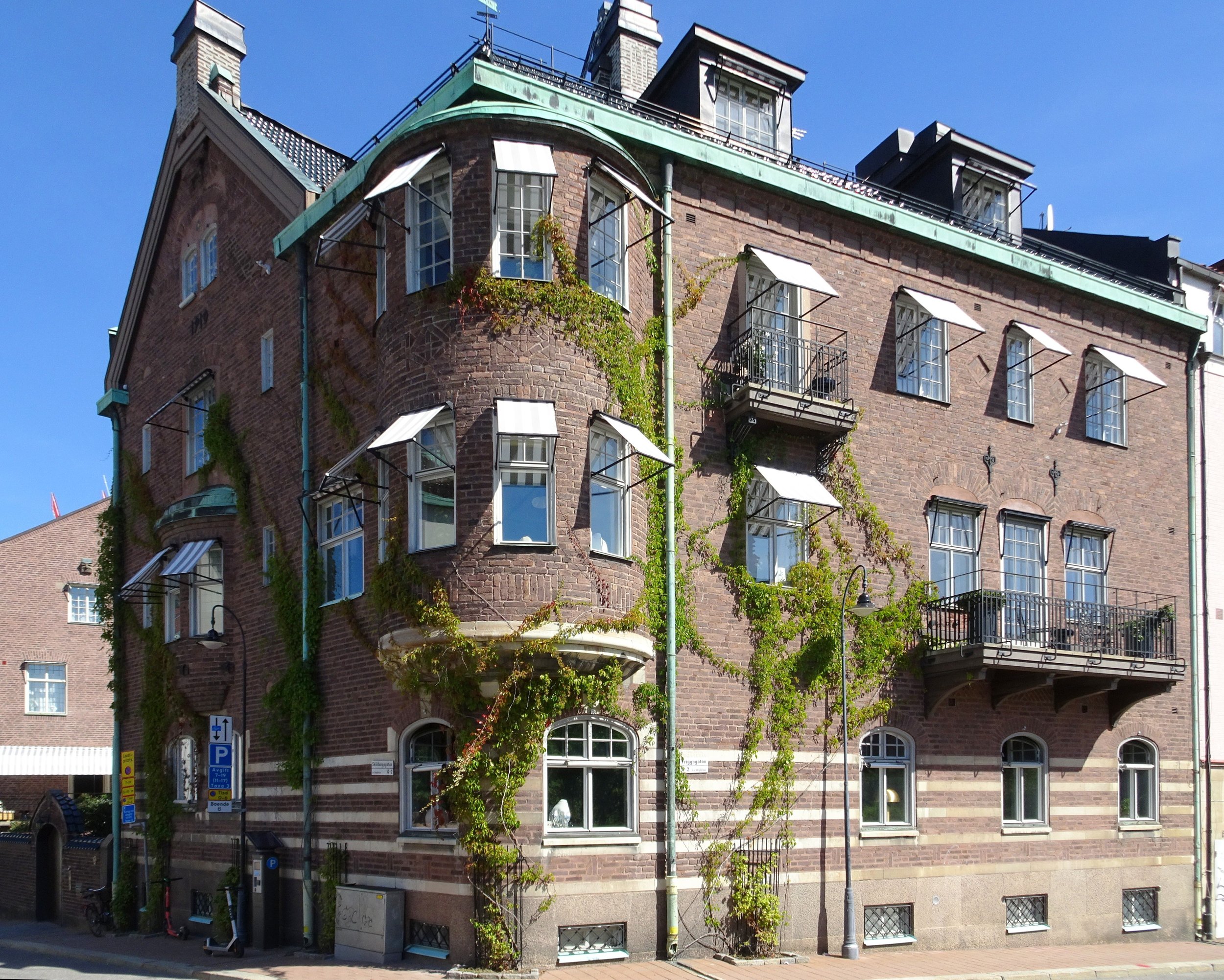
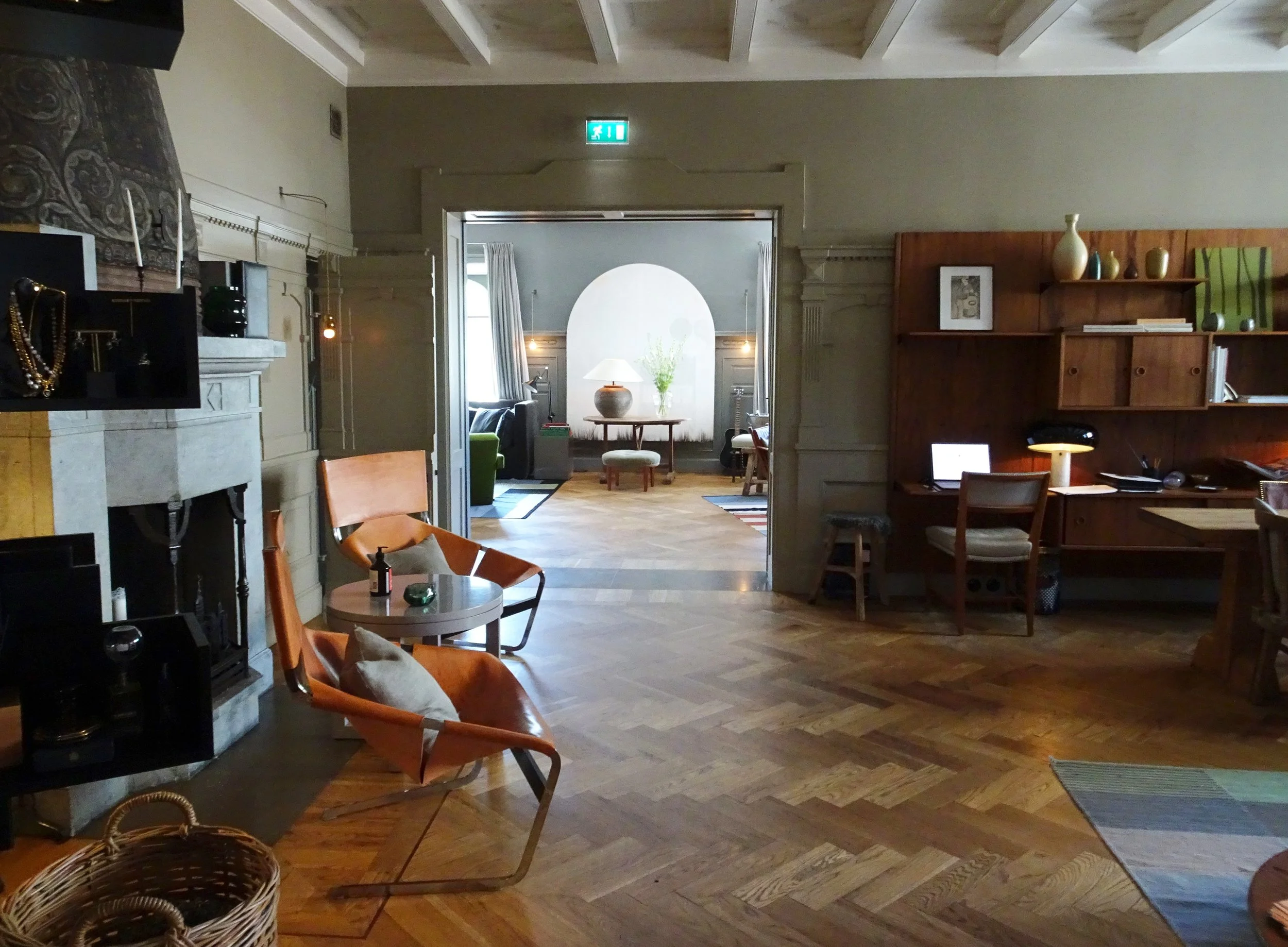
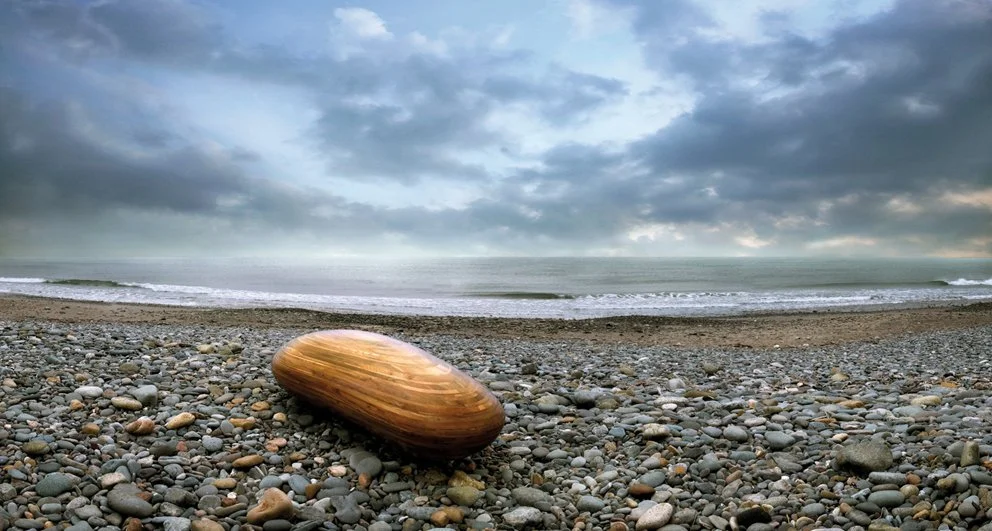
Where Roman and Williams borrowed history to give a room a past, others reached for something closer to home. Ilse Crawford's Ett Hem, opened in Stockholm in 2012, kept the timber-panelled walls of the 1910 Arts and Crafts townhouse it occupies, filling it with a floor-to-ceiling library, a kitchen built around a communal dining table, and a glazed conservatory for breakfast, rooms designed to be used the way a friend's house is used, not toured. André Fu's The Upper House in Hong Kong, completed in 2009, reached the same quiet through different materials entirely, bamboo, solid ash flooring, shoji glass and limestone rising through a forty-metre atrium. The Pebble Bench was shaped by that same instinct, starting with one client's memory of a favourite Irish beach. Built in laminated English elm to hold the quiet weight of a pebble worn smooth over time, it was made for one hallway and one routine, offering, in the piece's own words, a moment of calm amid the chaos of daily life.
The maximalists
Martin Brudnizki argued the opposite case, that abundance, handled with real intention, was its own form of discipline. At the Beekman Hotel, completed in 2016, and Annabel's, completed in 2018, every surface carried its own pattern and reference, layers built on layers rather than one idea repeated.
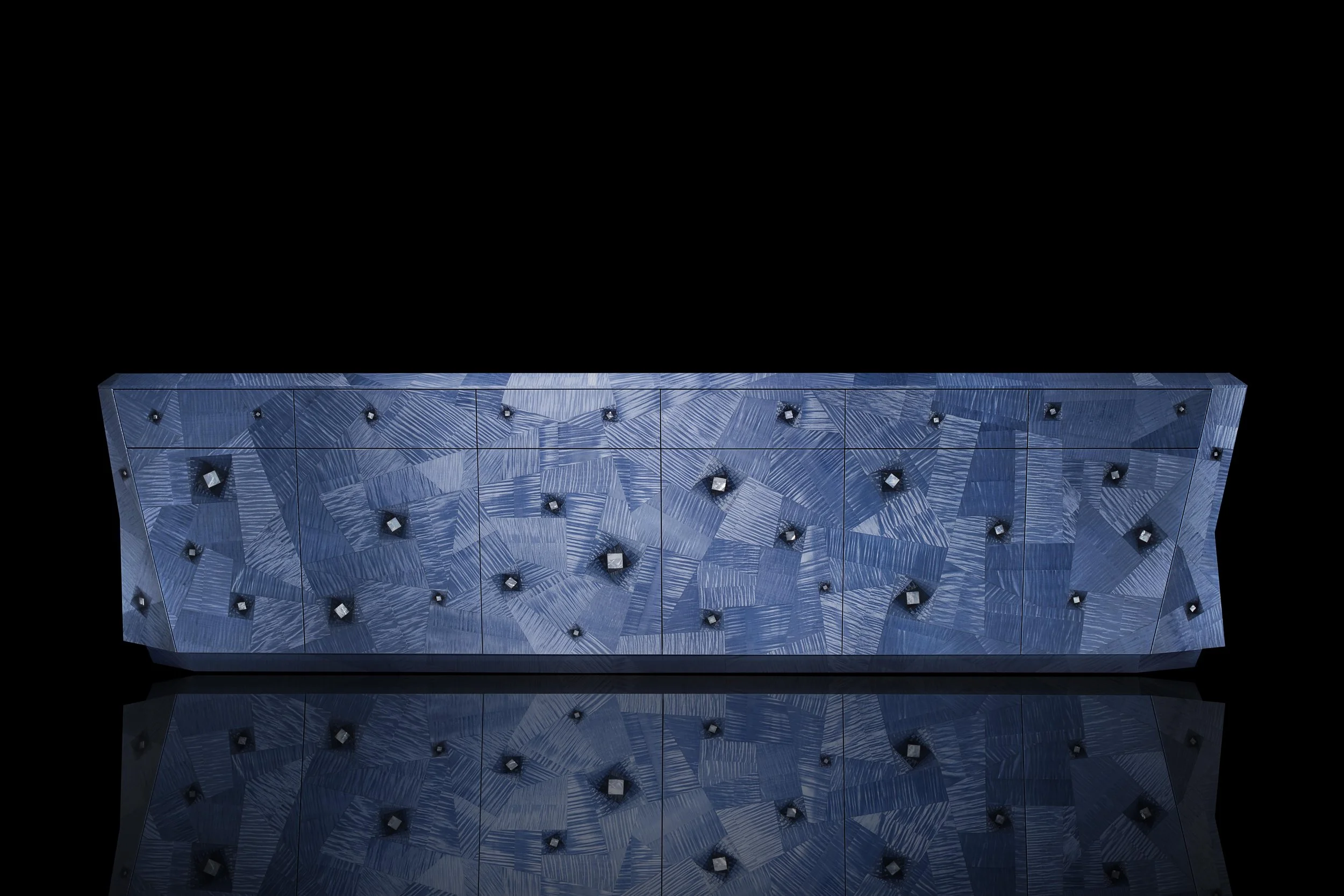
The Vortex Cabinet carries that same conviction. Built to house one collector's 72 pairs of glasses, its 3.66 metre form is worked in custom-dyed, rippled sycamore in aqua-blue, detailed with mother-of-pearl and nickel, a piece built around a genuinely unusual, specific brief rather than restraint.
The sculptors
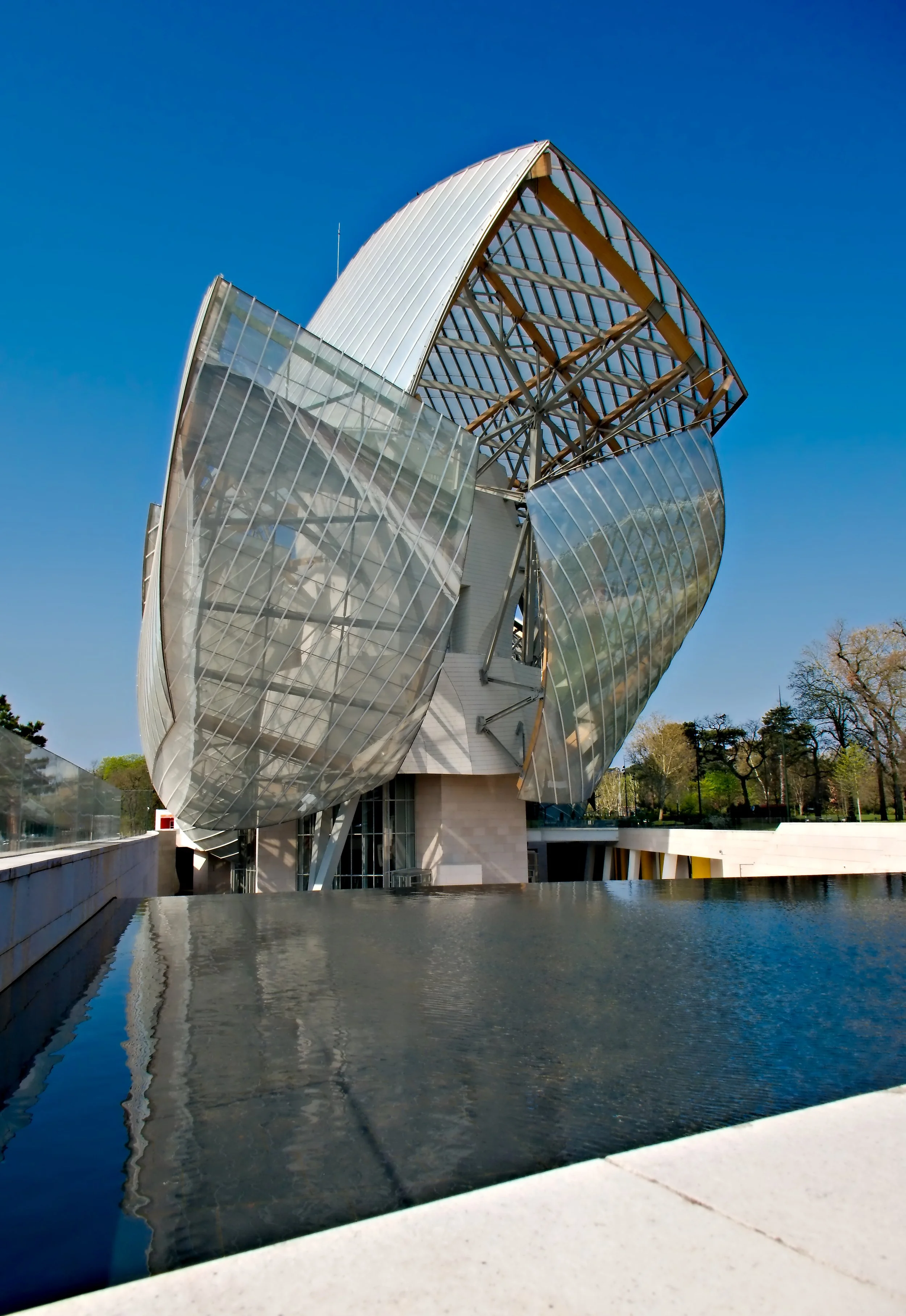
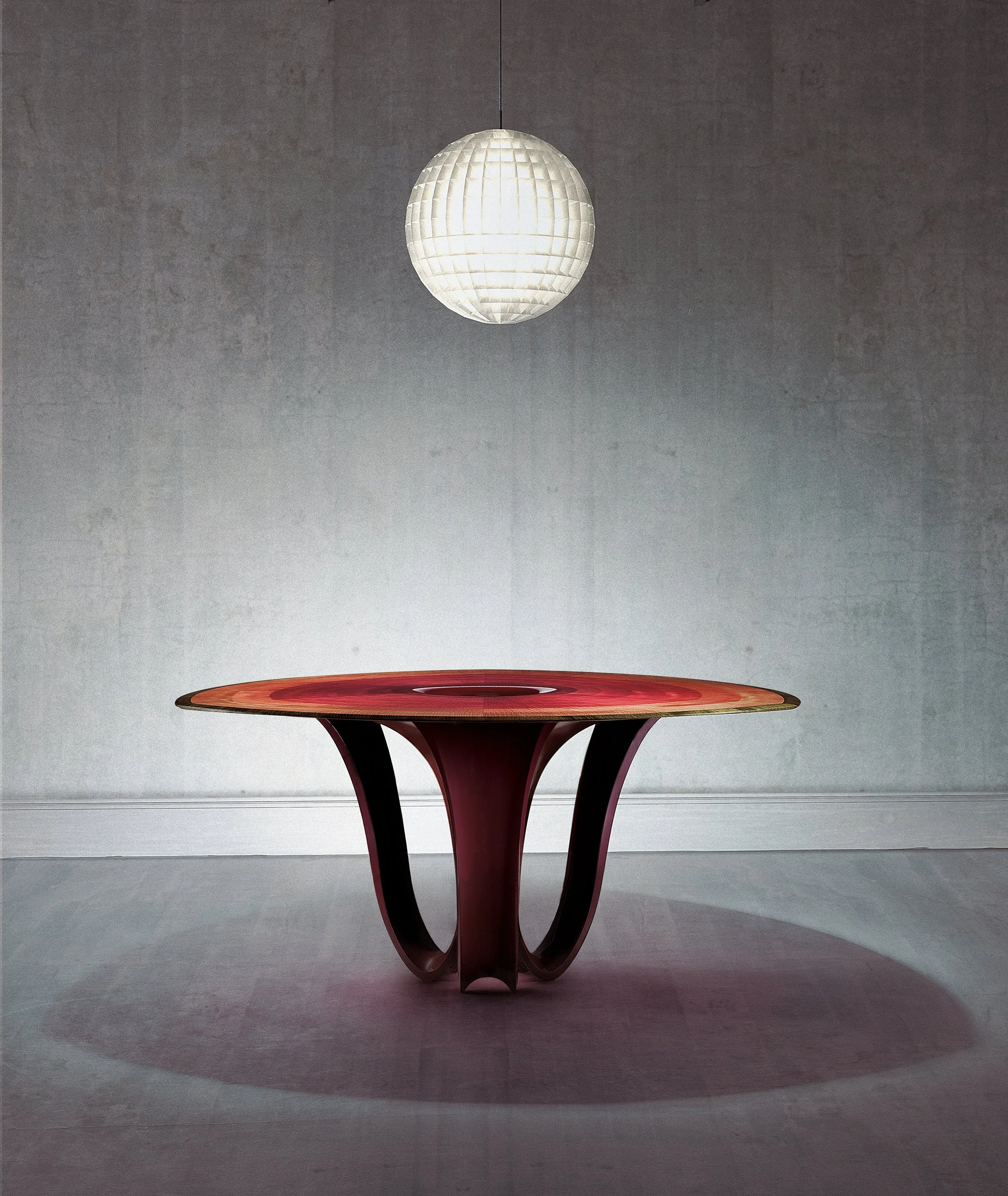
Two architects took the same instinct furthest, treating their buildings as sculpture first and shelter second. Frank Gehry's Fondation Louis Vuitton, completed in 2014, is wrapped in twelve curving glass sails made from 3,600 individually curved panels, a form Gehry took directly from the sails of a 1911 racing yacht, floating over a white concrete "iceberg" built from 19,000 unique panels. Thomas Heatherwick's The Silo Hotel, completed in 2017, reached a similarly singular form from the opposite direction, carving a grand atrium through 42 concrete silos inside a working 1924 grain elevator, then setting pillowed glass windows into the original facade, bulging outward as though gently inflated. Silverlining asked a version of the same question in 2011, through an internal brief titled Future Perfect: A Manifesto For 21st Century Craftsmanship, what is craftsmanship in this century, and how far can its limits be pushed. The Autumnal Infinity Table was the answer, its Reuleaux-triangle surface flowing through a central void into three ribbon-like legs that curl back into the table's own underside, a form that exists purely because nothing quite like it had been asked of furniture before.
The formalists
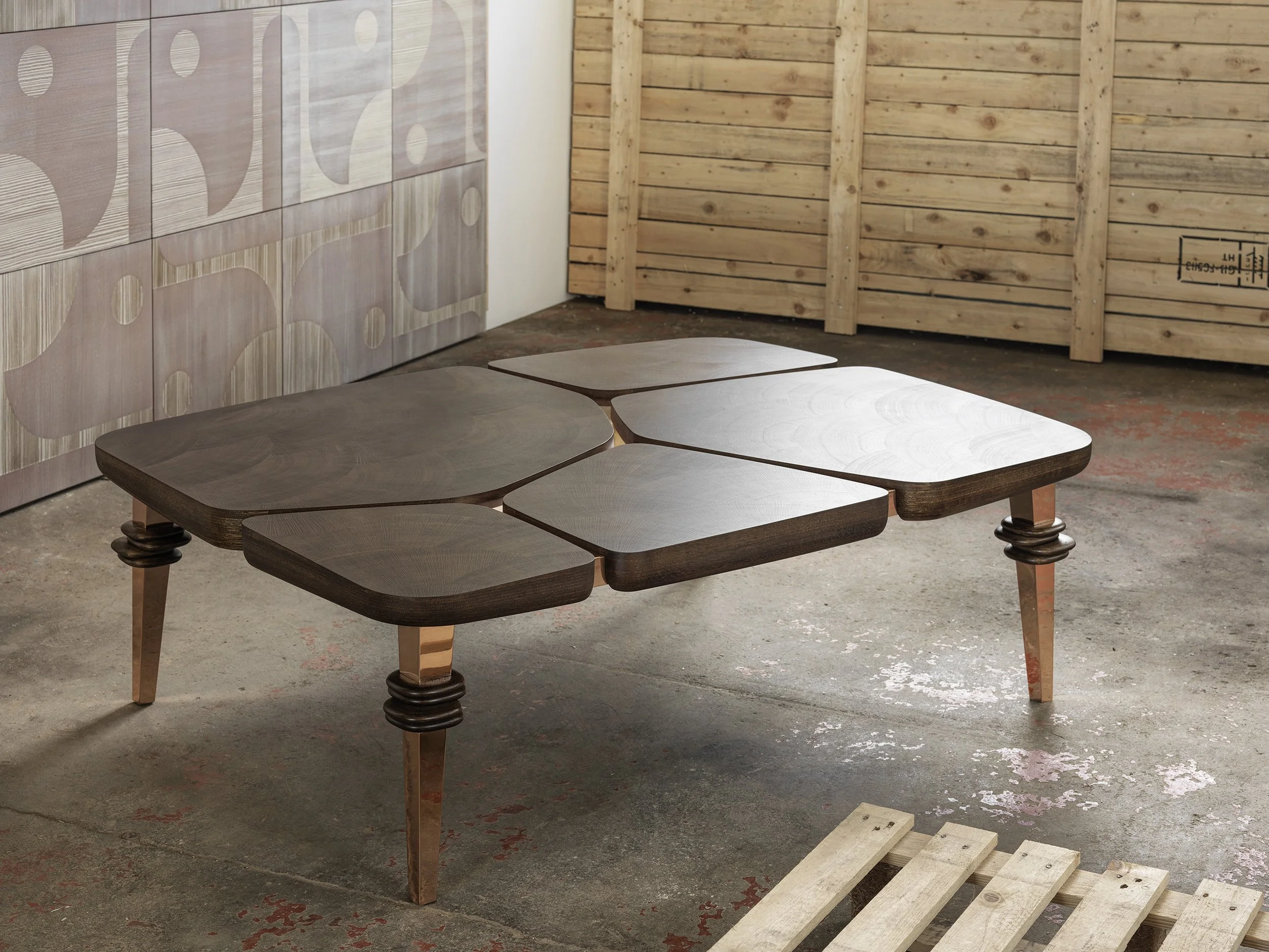
Others found their answer in precision rather than spectacle. Peter Marino's Cheval Blanc Paris, completed in 2021, and Antonio Citterio's Bulgari Hotel London, completed in 2012, built their impact from exactness and material resolved to the smallest tolerance. The Cracked Earth Coffee Table carries that same discipline. Between its English oak oysters, cut, treated and finished entirely by hand, ribbons of polished bronze trace the paths of parched, cracked earth, each machined to precise tolerances and hand-polished to a mirror finish before being set into the oak. The oak carries the story. The bronze carries the exactness, and neither works without the other resolved to the same standard.
2005 to 2025
Five answers, none of them the same. What connects them is not a shared style, it is a shared conviction that luxury should never be reduced to one repeatable look.
Silverlining's own model has worked from that same conviction since 1985. No two commissions are built the same way twice, not as a design choice, but because specificity, the material, client, the problem, is the only thing that has ever made a piece worth making in the first place.
Subscribe to our newsletter
Sign-up to receive our newsletter and discover our stories, collections and latest innovations.


